Currency storage materials have gotten complicated with all the archival claims and marketing terms flying around. As someone who has seen too many collections ruined by bad holders—including notes I thought were safe—I learned everything there is to know about what actually protects paper money. Today, I will share it all with you.
PVC—polyvinyl chloride—once dominated currency storage products. Those flexible vinyl flips and soft plastic pages release acids that attack paper and ink, causing irreversible damage.
The PVC Problem
Polyvinyl chloride requires plasticizers to remain flexible. These additives—often containing chlorine compounds—migrate out of the plastic over time. As they leach onto stored currency, they leave oily residue, create haze on paper, and accelerate chemical degradation.
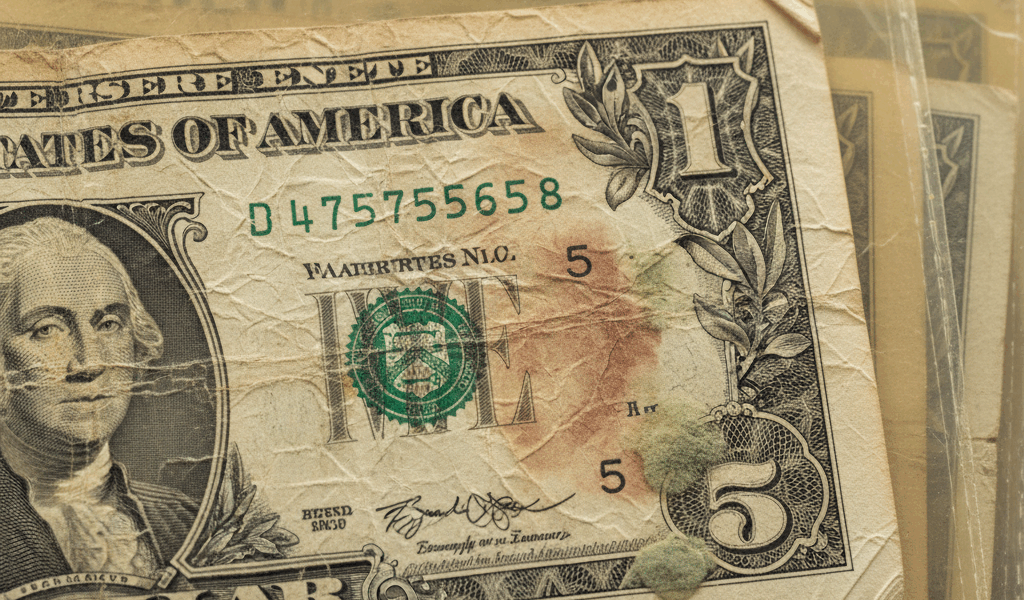
The damage appears gradually. A note stored in PVC might look fine for months or even years. Then haze develops on the surface. Colors begin shifting. The paper takes on an unhealthy sheen. By the time damage becomes visible, significant degradation has already occurred throughout the paper structure.
Older collections frequently contain PVC damage. Currency holders from the 1970s and 1980s often used PVC because it was cheap and flexible. If you inherited or purchased an older collection, examine those holders carefully.
Identifying PVC Materials
The sniff test helps identify PVC. Plasticized PVC has a distinctive chemical smell—the “new shower curtain” odor. Inert materials like Mylar have no odor. If your currency holders smell like plastic, they likely contain PVC.
Safe Mylar holders are somewhat stiff and crinkle when bent. PVC holders are soft and pliable, bending easily without creasing. Very soft, flexible holders almost certainly contain harmful plasticizers.
Visual examination of stored notes reveals active damage. Haze, discoloration, or oily residue indicates PVC problems. Remove affected notes immediately. The damage won’t reverse, but stopping exposure prevents further deterioration.
Mylar: The Safe Alternative
Mylar (polyester film) provides chemically inert storage. Mylar doesn’t release plasticizers, acids, or other harmful compounds. Notes stored in quality Mylar holders contact only stable plastic that won’t contribute to degradation. Professional archives and museums use Mylar exclusively.
Quality Mylar products cost more than PVC alternatives. The price difference reflects material cost and proper manufacturing. For currency worth protecting, the premium is trivial compared to value at risk. Saving a few dollars on holders makes no sense when notes cost hundreds or thousands.
Mylar thickness affects both protection and usability. Thicker Mylar (3-4 mil) provides better physical protection. Thinner Mylar (1.5-2 mil) costs less but offers less rigid support. Most collectors find 2-2.5 mil balances these factors well.
Other Storage Options
Currency albums vary in safety. Premium albums use Mylar pages with acid-free interleaving. Budget albums may use unsafe plastics or acidic paper. Examine any album carefully before trusting your currency to it—very cheap albums likely cut corners on materials.
Acid-free paper envelopes provide adequate short-term storage. Notes in paper contact only paper—no plastic concerns. However, paper offers less physical protection than rigid holders. Paper storage works for temporary housing but shouldn’t house valuable material long-term.
Third-party grading holders from PMG and PCGS use inert materials designed for indefinite storage. Once graded and encapsulated, notes reside in tamper-evident cases engineered for preservation. The grading fee includes permanent archival-quality housing.
Transitioning Your Collection
Examine your current storage immediately. Smell the holders. Check flexibility. Look for damage on stored notes. Any concerning signs warrant action—waiting allows continued damage.
Replace suspect holders systematically. Purchase quality Mylar holders sized for your notes. Currency holders come in sizes matching large-size and small-size U.S. currency, fractional currency, and various world note dimensions. Get the right sizes before starting replacement.
Handle notes carefully during transfer. Use cotton gloves. Work on clean surfaces. Transfer notes from old holders to new ones without excessive manipulation. Take your time rather than rushing through a large collection.
Ongoing Vigilance
Even proper storage requires periodic inspection. Check stored notes annually for signs of problems. Verify that holders remain in good condition. Catch issues early before they become severe.
Storage conditions matter alongside holder materials. Mylar won’t cause chemical damage, but improper temperature, humidity, or light exposure can still harm notes. Quality holders are necessary but not sufficient—they must combine with appropriate environmental conditions.
The Bottom Line
PVC destroys paper money slowly but relentlessly. Every day notes spend in harmful holders causes additional damage. The solution is straightforward: identify problem holders, remove notes immediately, and replace with Mylar alternatives.
The cost of proper holders is trivial. A lifetime supply of quality Mylar holders for most collections costs under $100. Compare this to the value at risk—even modest collections contain notes worth more than storage materials. The decision should be automatic: invest in proper storage today.


Stay in the loop
Get the latest bank note buzz updates delivered to your inbox.