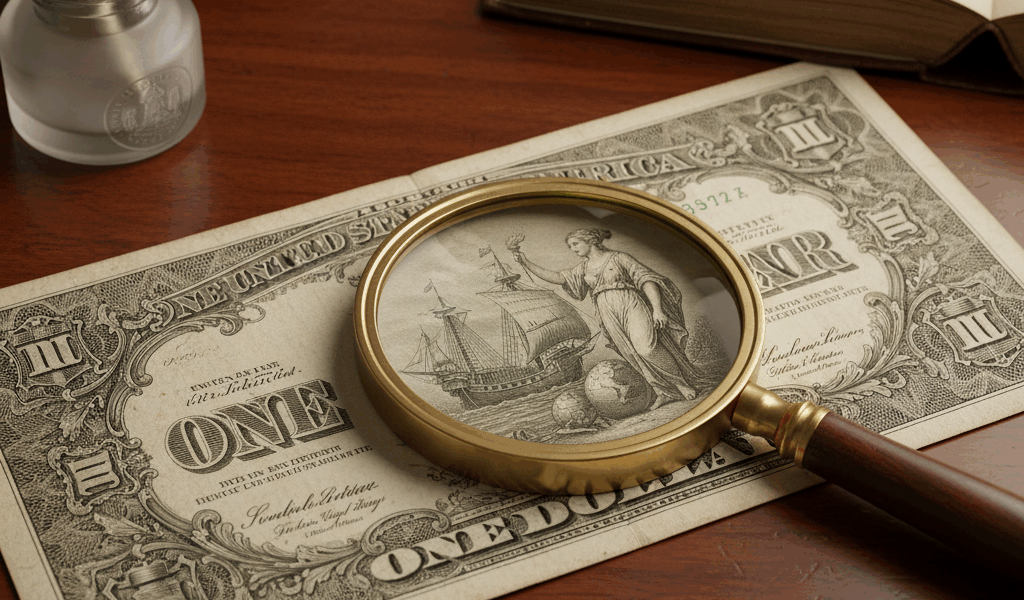
America’s First Commemorative
Commemorative coins have gotten complicated with all the annual releases and special editions flying around. Today, I will share it all with you.
This coin matters because it was literally the first. Before 1892, the United States had never minted a commemorative coin. The country had been making coins for a century, but the idea of creating special issues for specific events hadn’t occurred to anyone with authority to make it happen. That changed when Chicago needed money.

Why the Columbian Exposition?
The World’s Columbian Exposition in Chicago commemorated the 400th anniversary of Columbus’s arrival in the New World. These big fairs were major cultural events in the late 19th century — cities competed fiercely to host them. Chicago won after intense lobbying, and the organizers needed money to make the spectacle they envisioned happen.
The coin wasn’t created as a collectible — it was a fundraising mechanism. Congress authorized minting commemorative half dollars specifically to help finance the fair. Sell them for double face value, pocket the difference. Simple math that established a precedent lasting over a century.
The Design
Charles Barber (Chief Engraver) and George Morgan (his assistant) collaborated on the design. The obverse shows Columbus in profile, based on various historical portraits since nobody actually knows what he looked like. The reverse features the Santa Maria sailing between two hemispheres representing the Old and New Worlds.
The design choices weren’t random; they deliberately connected the fair’s purpose to the broader historical narrative they were commemorating. UNITED STATES OF AMERICA and COLUMBIAN HALF DOLLAR circle the obverse. WORLD’S COLUMBIAN EXPOSITION CHICAGO frames the reverse.
Production Reality
The Mint struck about 950,000 pieces in 1892 and another 1.5 million in 1893. The plan assumed people would pay $1 each (double the face value) as souvenirs. Reality proved less cooperative. Demand fell short of projections, leaving the organizers with excess inventory nobody wanted at premium prices.
Many unsold coins eventually entered circulation at face value, which ironically makes them more common today than the mintage numbers suggest. A coin that was supposed to be special became ordinary pocket change. People spent them without realizing they were handling America’s first commemorative issue.
What They’re Worth Now
Condition drives everything in coin collecting, and Columbians illustrate this perfectly. A circulated example might sell for $15-30 — interesting but not rare. Move up to uncirculated grades and prices climb into the hundreds. High-grade examples with original luster attract serious collector attention and can reach four figures in exceptional condition.
Third-party grading services like PCGS and NGC provide standardized assessments. Their numbers (MS-63, MS-65, etc.) give buyers confidence about what they’re getting. For a coin this common in low grades but scarce in high grades, that verification matters considerably.
Why Collectors Care
Being first counts for something. The Columbian Half Dollar established a tradition that continues today, with commemorative coins now issued annually. Every subsequent commemorative owes something to this precedent. Type collectors pursuing “one of each” need this coin to represent the commemorative category in their collections.
Beyond the collecting angle, these coins connect to a fascinating moment in American culture. The 1893 Exposition showcased technological progress, artistic achievement, and national ambition. Electric lights, architectural marvels, cultural exhibits from around the world — it was a defining event for the era. The coin survives as a tangible artifact from that optimistic moment in American history.
Buying Tips
If you’re looking to add a Columbian to your collection, circulated examples offer excellent entry points. The design shows well even on worn specimens. For investment purposes, focus on higher grades where supply becomes genuinely limited. The jump from MS-64 to MS-65 pricing shows how much condition matters at the upper end.
Both dates (1892 and 1893) are readily available. The 1892 has a lower mintage but similar market prices in most grades. Neither carries a significant premium over the other. Focus on condition and eye appeal rather than date for this series.
Recommended Collecting Resources
The Red Book – Guide to US Coins
The essential reference for American coin collectors.
As an Amazon Associate, we earn from qualifying purchases.

Stay in the loop
Get the latest bank note buzz updates delivered to your inbox.