Today, I will share it all with you.
Currency collecting
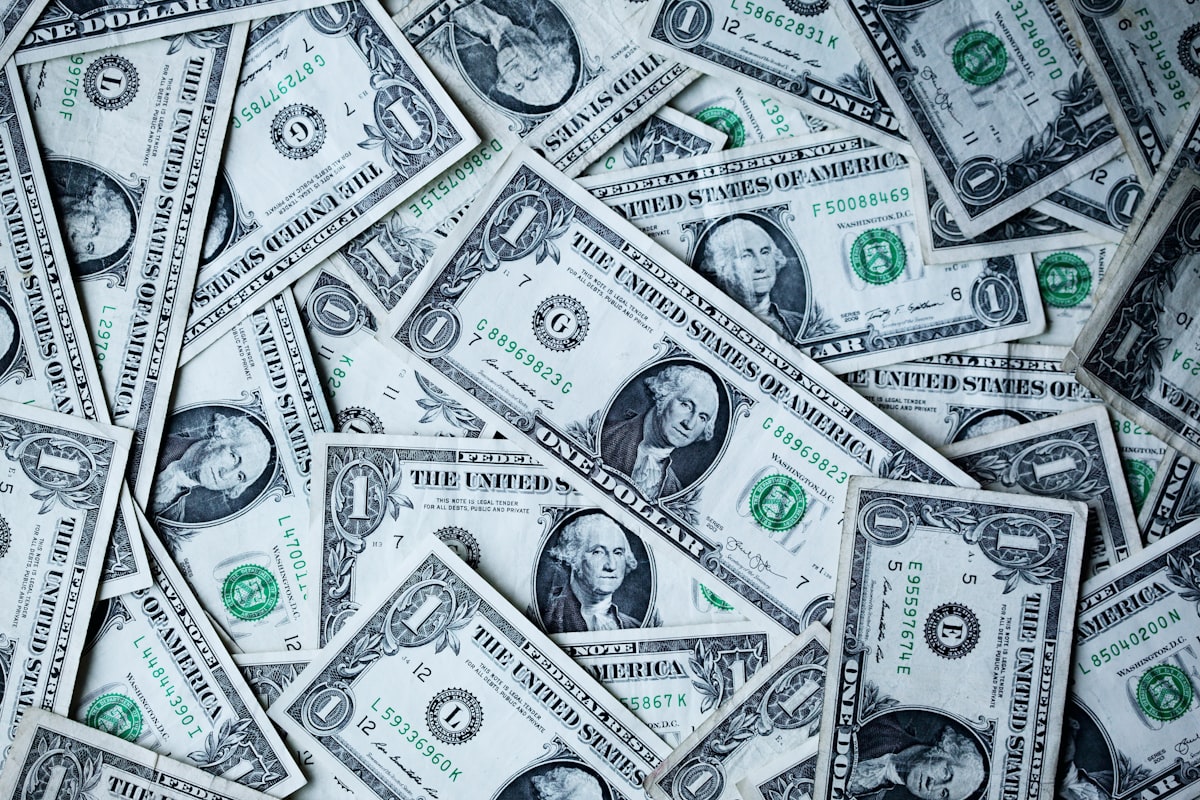
I’ll be honest — I picked up most of my knowledge about currency exchange the hard way. I’m talking about standing in airport exchange booths at 6 AM after red-eye flights, bleary-eyed, watching huge chunks of my travel budget disappear into fees and lousy rates. After enough of those expensive lessons, I figured out what actually works and what’s a waste of your time.
Why Exchange Bank Notes?
Travel is the obvious one. You land in a country that doesn’t use your home currency and suddenly you need local money for the cab ride, tips for the bellhop, that street food you can’t resist — situations where pulling out a credit card either isn’t an option or hits you with a nasty foreign transaction fee. Having some local currency in your pocket when you arrive makes those first few hours so much smoother.
But it’s not just travelers. Business owners sometimes need to exchange currencies for paying overseas suppliers or employees. Investors might swap currencies as a hedge or a speculative play. And then there are collectors like me who end up with foreign notes and occasionally need to figure out what to do with them. Whatever your reason, understanding the mechanics is going to save you real money.
Where Can You Exchange Currency?
The options vary wildly in terms of convenience, cost, and whether you’ll walk away feeling good or feeling ripped off. Here’s what I’ve personally experienced over the years:
Banks and Credit Unions: These are generally your safest bet with rates that won’t make you cry. My own bank does currency exchange with reasonable spreads for account holders. The downside? Limited hours, and not every branch offers the service. I once drove to three different branches before finding one that could actually help me.
Currency Exchange Bureaus: You know those booths you see in airports and touristy neighborhoods? They’re banking on the fact that you’re desperate and have no alternatives. I only use these for tiny amounts when I have absolutely no other choice. The rates are typically the worst you’ll find anywhere.
Online Exchange Services: This is where things have gotten interesting. Companies like Wise (used to be TransferWise) have completely shaken up the old way of doing things. You order online, your funds transfer at genuinely good rates, and the currency either arrives at your door or becomes available when you land abroad. For any trip I plan in advance, this is my go-to move now.
ATMs Abroad: Honestly, these often give you the best rates of all, though the fee structure can get tricky. I’ve learned to stick with ATMs from major international banks rather than random machines in convenience stores. Before you travel, call your bank and ask about their foreign ATM policies — that five-minute phone call can save you a lot.
How to Exchange Currency
The actual process is pretty simple: hand over your currency, show your ID, look at the rate they’re offering, either accept it or walk away, and collect your exchanged funds. Online services work the same way but through a screen instead of a counter.
Here’s the thing though — preparation matters way more than the mechanics. Before I walk up to any exchange counter, I pull up the current exchange rate on my phone. Takes thirty seconds. That one simple habit has kept me from getting absolutely fleeced more times than I can count. When you know the real rate, you can immediately tell if someone’s trying to lowball you.
Getting the Best Exchange Rate
I’ve paid my tuition on this through years of trial and error, so let me save you the trouble:
Compare Rates: Never, and I mean never, accept the first rate someone throws at you without checking what else is available. I’ve literally walked fifty meters down the street and found rates that were significantly better. That short walk saved me enough for a nice dinner.
Watch for Hidden Fees: This one drives me nuts. Some exchange places advertise amazing rates in big flashy numbers, then hit you with “service charges” or “processing fees” that eat up whatever advantage you thought you were getting. Always — always — ask for the total cost including every fee they can possibly charge.
Avoid Desperate Situations: Airport and hotel exchanges make their money off people who have no other option. If you can avoid needing their services for anything beyond small emergency amounts, you’ll keep a lot more of your money.
Use Cards Strategically: For bigger purchases, a credit or debit card often beats cash exchange on the rate. But check your card’s foreign transaction fee first. Some cards charge 3% or more, and at that point you’ve wiped out any rate advantage. I keep a no-foreign-transaction-fee card specifically for travel.
Order Currency Ahead: Banks and online services almost always give you a better deal when you plan ahead versus scrambling at the last minute. I try to order foreign currency at least a week before any international trip.
Legal Considerations and Limitations
Most countries have rules about how much currency you can bring in or take out. The typical threshold requiring a declaration is around $10,000 or the equivalent. If you don’t declare when you’re supposed to, they can seize it and slap you with penalties. Not a fun way to start a vacation, trust me.
Some currencies have flat-out restrictions on export or import. Do your homework before showing up at a border with a suitcase full of cash. Certain countries control their currency tightly to prevent capital flight or keep their exchange rate stable.
And here’s something that matters a lot to collectors like us — older currency series sometimes lose their legal tender status. That stack of old notes you found in your grandmother’s attic might not be exchangeable at face value anymore, though many central banks continue accepting demonetized currency for extended periods. It’s worth checking before you assume those old bills are worthless.
Practical Approach
After years of experimenting, here’s the strategy I’ve settled on that works well for me.
I order a reasonable amount of local currency before any international trip through an online service with solid rates. Once I’m abroad, ATMs handle any additional cash needs that pop up. Cards take care of most bigger purchases. And I always keep some emergency cash in major currencies like US dollars and Euros as backup — you never know when you’ll need it.
This approach balances convenience with not throwing money away on fees. The small amount of advance planning pays for itself many times over in better rates and way less stress. Once you understand how currency exchange actually works, it stops being this frustrating chore and becomes just another manageable part of dealing with money around the world.
Recommended Collecting Supplies
This section includes affiliate links. We may earn a commission at no extra cost to you.
Robert Sterling is a numismatist and currency historian with over 25 years of collecting experience. He is a life member of the American Numismatic Association and has written extensively on coin grading, authentication, and market trends. Robert specializes in U.S. coinage, world banknotes, and ancient coins.


Stay in the loop
Get the latest bank note buzz updates delivered to your inbox.