Baltimore Show Recap – ,000 Note Headlines Currency Sales
January’s Baltimore Whitman Coin and Collectibles Expo wrapped up Sunday. Here are the currency highlights. Top Sales A Fr. 2231-B 1934 $10000 Federal Reserve Note...
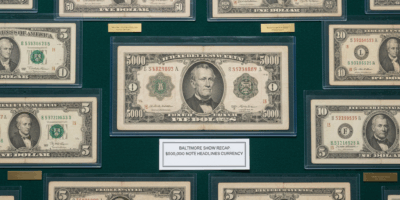
January’s Baltimore Whitman Coin and Collectibles Expo wrapped up Sunday. Here are the currency highlights. Top Sales A Fr. 2231-B 1934 $10000 Federal Reserve Note...
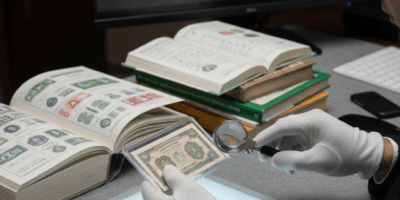
PMG just announced changes to their submission process starting February 1st. Here’s what collectors need to know. Price Adjustments Economy tier submissions jump from $30...
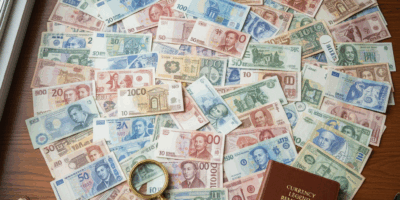
The numismatic world lost a legend yesterday. James “Jim” Fitzgerald, founder of Currency Collectors of America, passed away at 87. Fitzgerald started collecting during the...
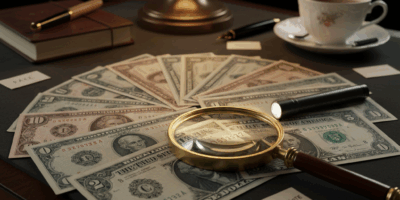
Got a minute? Here’s how to quickly check if that bill in your wallet might be worth more than face value. Serial Number Patterns Flip...
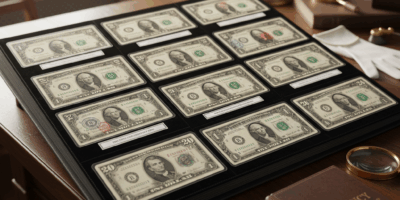
Currency collectors spotted an unusual trend at this week’s Heritage Auctions. Several high-grade star notes from the 2017 series sold well above their typical market...
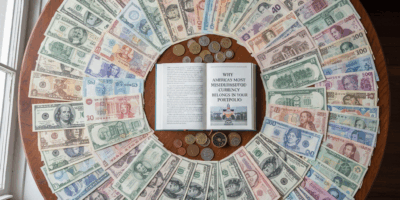
The $2 Bill Paradox: Common Yet Collectible Walk into most stores with a $2 bill and watch the cashier’s reaction. Despite being official U.S. currency...
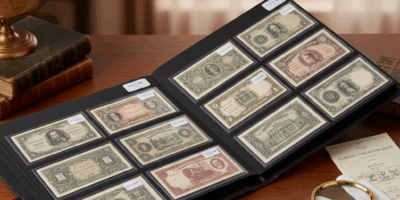
Best Coin Storage Albums and Cases for Collectors Protect your valuable collection with proper storage solutions. Premium Coin Albums – Archival Quality Museum-quality storage keeps...
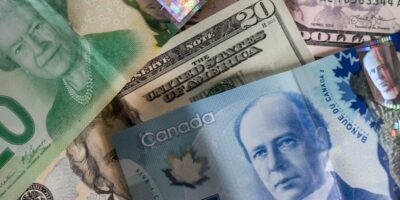
A Coin That Meant Something The 1921 Peace Dollar has a weight to it that goes beyond the silver content. I’ve held a lot of...
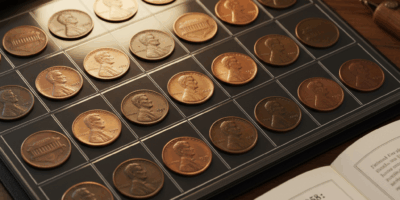
Flying Eagle Cent: A Brief Overview of its History and Significance I’ll admit to having a soft spot for coins that tried something new and...
Stay in the loop
Get the latest bank note buzz updates delivered to your inbox.