
Today, I will share it all with you.
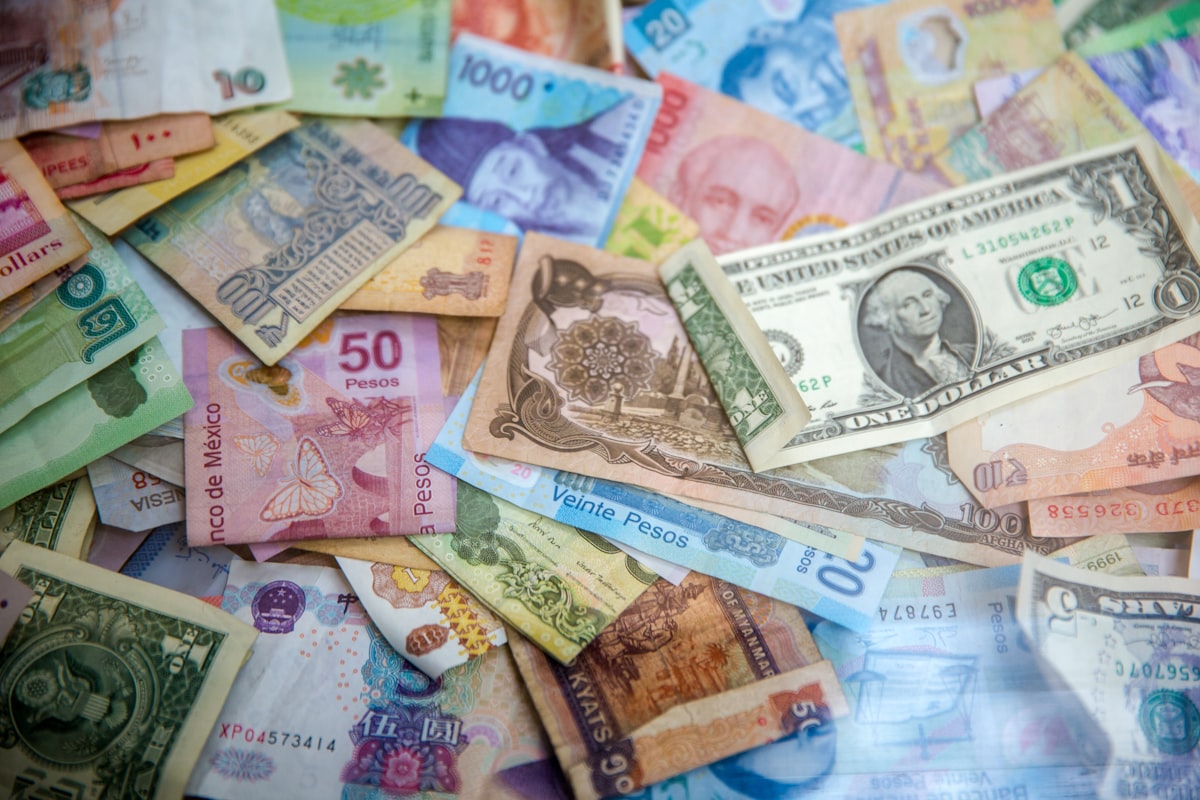
The Standard Catalog of World Paper Money lists over 200,000 distinct banknote types across three massive volumes. Understanding how to use these references transforms collecting from guesswork into informed acquisition.
The Three-Volume Standard Catalog
Volume 1 covers “Specialized Issues”—notes from entities other than national governments, including banks, merchants, military authorities, and revolutionary governments. Volume 2 handles “General Issues” from 1368 to 1960. Volume 3 presents “Modern Issues” from 1961 to present.
Most collectors need Volume 3 for contemporary stuff and Volume 2 for historical pieces. Volume 1 serves specialized areas—military occupation currency, private bank issues, emergency money. Unless you’re deep into those niches, skip it for now.
New editions come out periodically, incorporating market changes, newly discovered varieties, and corrections. Current editions reflect recent auction results and dealer pricing. Older editions show outdated valuations but still work fine for identification.
How Listings Work
Each country’s section organizes notes chronologically. Individual listings include catalog numbers (the universal reference collectors use worldwide), physical descriptions, denomination, date range, and valuations in multiple grades.
Collectors and dealers across the globe use these numbers to communicate precisely about exactly which note they’re discussing.
Valuations typically appear in four conditions: Good, Fine, Very Fine, and Uncirculated. The price progression from Good to Uncirculated shows how condition affects value—sometimes dramatically, sometimes minimally, depending on survival rates for that particular note.
Images accompany most listings, showing both face and back designs. Quality varies—some are small or unclear—but most provide adequate identification support when you’re trying to figure out what you’ve got.
Understanding Catalog Values
Catalog values represent retail price estimates—what you might expect to pay a dealer for a correctly graded example. These aren’t carved in stone. Actual prices vary based on dealer margins, note quality within grade, buyer eagerness, and market conditions.
Values serve as starting points, not final answers. A note listed at $100 might sell for $80 from a motivated seller or $120 for an exceptional example. But the catalog value provides context—paying $300 for that $100 note requires justification.
Auction realizations often exceed catalog values for genuinely rare notes. When collectors compete for scarce pieces, prices surpass retail estimates. Conversely, common notes in weak condition may struggle to reach catalog values. Markets always have the final say.
Alternative Pricing Resources
Online platforms provide real-time pricing data. eBay sold listings show actual transaction prices. Heritage Auctions archives results going back decades. These actual sales complement catalog estimates with market reality.
The Paper Money Guaranty (PMG) website includes population reports showing how many examples exist at each grade. This scarcity data contextualizes prices—understanding that only five Uncirculated examples exist explains premium pricing better than catalog values alone.
Specialized price guides focus on particular areas. U.S. paper money has dedicated references including the Friedberg catalog for large-size notes. Confederate currency, obsolete bank notes, and other specialties have their own pricing literature worth exploring once you specialize.
Using Catalogs Effectively
Start by identifying your note’s country of origin. Then find the catalog number—that Pick number becomes your universal identifier. Write it down. Use it when discussing the note with anyone.
Condition assessment matters enormously. The difference between Fine and Very Fine often represents significant value differences. Learn the grading standards in catalog introductions. Compare your notes honestly against these standards before checking values.
Cross-reference with multiple sources when possible. Catalog values, recent auction results, and dealer offerings together provide comprehensive pictures. Relying on any single source risks over- or under-valuing notes based on outdated or anomalous data.
Building Your Reference Library
Current catalog editions cost $70-100 per volume. This investment pays for itself quickly if you collect actively—proper identification and valuation prevents costly mistakes. Consider what even one mispurchase would cost you.
Used earlier editions cost less and retain most utility. The notes themselves haven’t changed; only valuations become outdated. For identification purposes, ten-year-old catalogs work fine. Supplement older editions with online resources for current pricing.
Digital access options exist through services like Numismaster.com. These subscription services update more frequently than print editions and allow searching across multiple references. Worth considering if you’re researching constantly.
Beyond Price Guides
Catalogs provide more than prices. Historical notes, design descriptions, and production information educate you about your material. Reading about a note’s historical context enhances appreciation beyond monetary value.
The scarcity ratings (often letter grades from C for common to R for rare) help identify collecting opportunities. Notes rated “R” demand attention regardless of price—rarity persists even when markets temporarily undervalue material.
Standard catalogs represent starting points, not final authorities. As you develop expertise, you’ll supplement general catalogs with specialized references, dealer knowledge, and collector community insights. But expertise builds from the foundation these comprehensive catalogs provide.


Stay in the loop
Get the latest bank note buzz updates delivered to your inbox.