Understanding the Value of a 1909-S VDB Penny
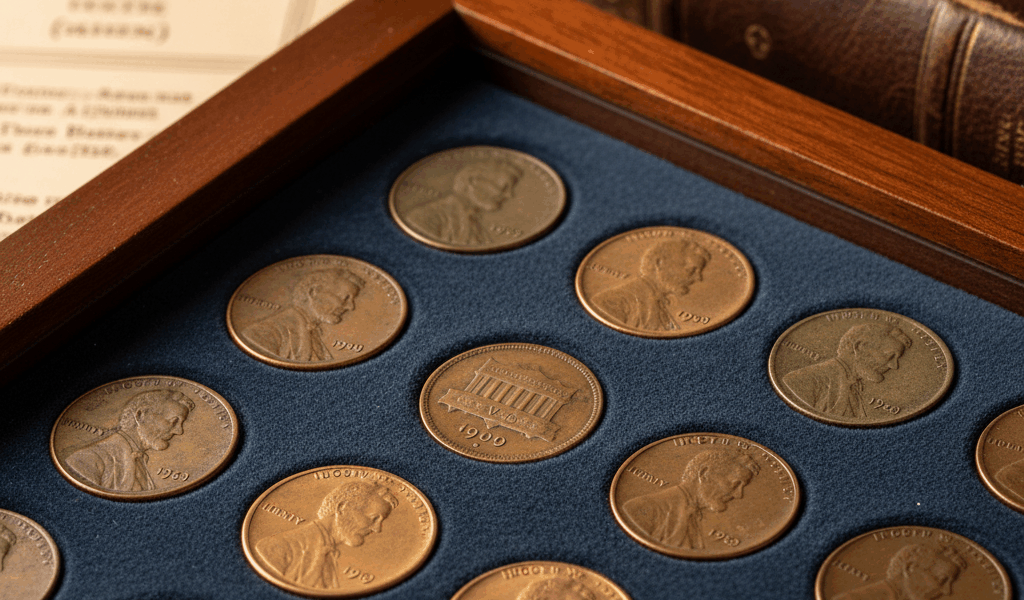
As someone who’s spent way too many hours sorting through coins at estate sales, I can tell you that few things get my heart racing like spotting a potential 1909-S VDB penny. This little copper disc is basically the holy grail for Lincoln cent collectors, and understanding why requires diving into a story that’s equal parts history and controversy.
Brief History of the 1909-S VDB Penny
Here’s something that still amazes me: the 1909 Lincoln cent was the first U.S. coin to feature an actual person. Before that, Liberty heads and allegorical figures dominated American coinage. Putting Lincoln’s portrait on the cent for his centennial birthday was genuinely groundbreaking.
Victor David Brenner designed the coin, and here’s where things got interesting. He put his initials – VDB – on the reverse, right below the wheat stalks. Seemed reasonable to him, I’m sure. But critics went absolutely wild about how prominent those initials were. The Mint yanked them within weeks, creating one of numismatics’ most sought-after varieties.
The San Francisco Mint produced a limited run before the change. That scarcity drives everything that follows.
Rarity and Demand
I’ve watched collectors literally gasp when a genuine 1909-S VDB comes up at auction. That 484,000 mintage sounds like a lot until you realize how many were lost, damaged, or simply spent as pocket change over 115 years. The surviving population is much smaller than that original number suggests.
Beyond the numbers, there’s the emotional draw. This is the first Lincoln cent – the coin that kicked off a series still being minted today. For collectors building Lincoln sets, the 1909-S VDB represents the ultimate starting point. That historical significance adds premium value that transcends the metal content entirely.
Assessing a 1909-S VDB Penny’s Value
Let me give you some real-world pricing context. I’ve seen 1909-S VDB pennies in well-worn condition sell for $800-$1,200. That’s for coins most people would describe as “beat up.” Move up to something in Fine condition and you’re looking at $1,500-$2,000.
Now, uncirculated examples? Those get wild. A mint-state 1909-S VDB graded MS-65 can command $50,000 or more. The finest known specimens have sold for six figures. Condition absolutely dominates the value equation for this coin.
Whatever you do, get professional grading before buying or selling a 1909-S VDB. The difference between grades can mean thousands of dollars, and authentication matters enormously given how many counterfeits exist.
Market Trends and Pricing
I’ve been tracking 1909-S VDB prices for years now, and the trend has been consistently upward. Economic uncertainty sometimes slows things down, but collector demand for this key date never truly fades. It’s one of those coins that maintains its appeal across generations.
Recent auction results tell the story clearly. Well-preserved examples routinely exceed estimates, often by significant margins. Even lower-grade specimens attract competitive bidding. If you’re thinking about entering this market, understand that patience pays – rushing into a purchase often means overpaying or, worse, getting stuck with a counterfeit.
Spotting Counterfeits
Given what these coins sell for, counterfeits are absolutely everywhere. I’ve personally examined pieces that looked convincing at first glance but failed under closer inspection. The most common tells involve the mint mark – counterfeiters often add an S to genuine 1909 VDB pennies, but the placement and appearance rarely match authentic examples.
The VDB initials themselves offer another verification point. On genuine coins, these letters have specific characteristics that fakes struggle to replicate. Working with reputable dealers who can document provenance dramatically reduces your risk of getting taken.
Where to Buy or Sell
Major auction houses remain the gold standard for high-value coins like the 1909-S VDB. Heritage, Stack’s-Bowers, and Great Collections regularly handle these pieces. Yes, you’ll pay buyer’s premiums, but you’re also getting authentication and competitive bidding that typically maximizes value.
Coin shows offer hands-on inspection opportunities that online shopping can’t match. There’s something valuable about examining a coin in person before committing thousands of dollars. Plus, experienced dealers at major shows often have access to pieces that never hit the broader market.
Online marketplaces can work, but proceed with extreme caution. The 1909-S VDB is simply too valuable and too frequently counterfeited for casual online purchases. If buying online, stick with established numismatic firms that offer guarantees.
Conclusion
The 1909-S VDB penny occupies a unique space in American numismatics – historically significant, genuinely scarce, and consistently in demand. Whether you’re building a serious Lincoln collection or simply fascinated by the stories coins tell, understanding this piece is essential. Just remember: authentication isn’t optional, and patience usually leads to better acquisitions.
Recommended Collecting Supplies
This section includes affiliate links. We may earn a commission at no extra cost to you.

Stay in the loop
Get the latest bank note buzz updates delivered to your inbox.