Today, I will share it all with you.
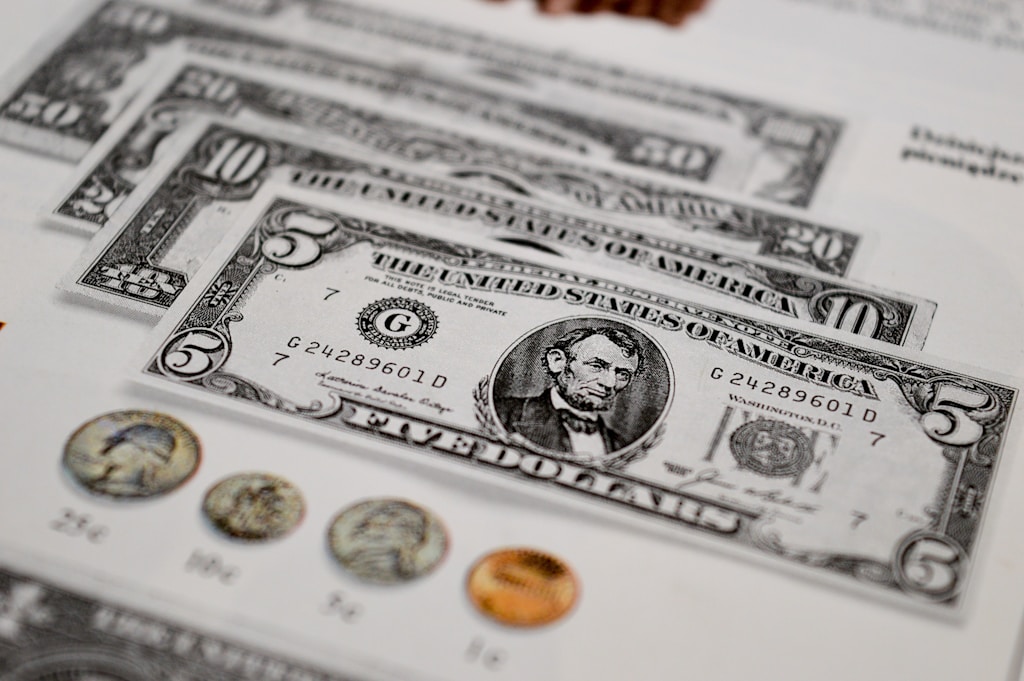
US dollar bills
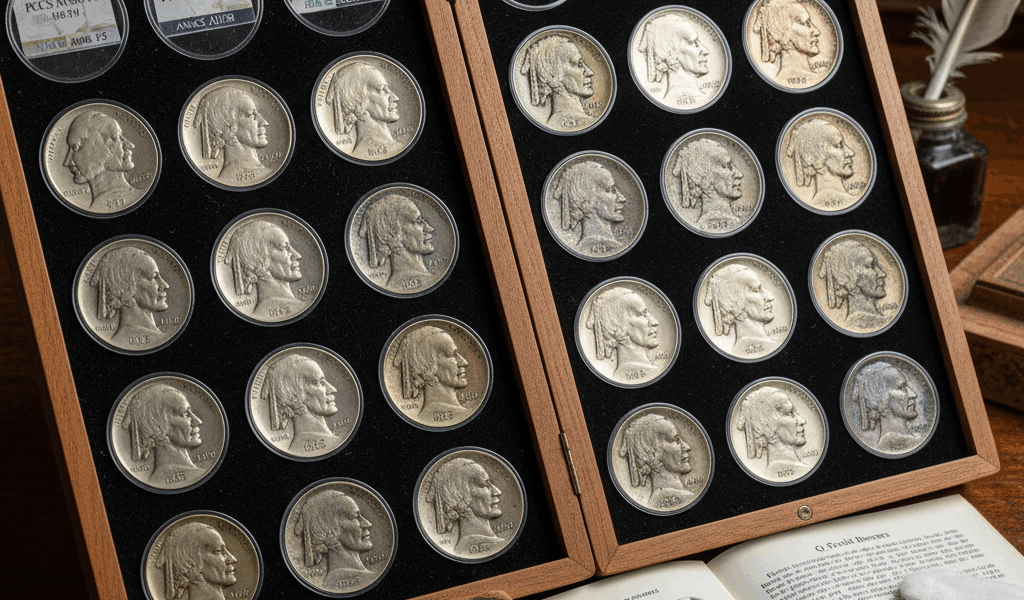
Buffalo nickels pull collectors in with that design — the Native American profile on one side, the standing bison on the other. Something about the imagery feels more genuinely American than most other coins sitting in my collection. James Earle Fraser designed these pieces to capture the spirit of the West, and honestly, he succeeded in ways that still hit you a century later when you hold one in your palm.
Minted from 1913 to 1938, Buffalo nickels have their own unique grading quirks that’ll drive you crazy until you learn them. I’ve spent more time learning to grade these than any other series in my collection, partly because the design creates challenges you don’t see on other coins, and partly because I kept getting it wrong and had to figure out why.
The Sheldon Scale Applied to Buffalos
Coin grading uses the Sheldon Scale, running from 1 all the way up to 70. The number reflects condition — 1 being a coin that’s barely identifiable as what it is, 70 being absolute perfection (though I’ve never in my life seen a Buffalo nickel that honestly deserved that grade). What actually matters is understanding how wear patterns develop specifically on this design, because Buffalos don’t wear like other coins.
Luster tells you a ton. That original mint luster — the cartwheel effect you see when you rotate the coin under a light source — disappears surprisingly quickly once a coin enters circulation. Surfaces pick up contact marks from banging against other coins in bags and rolls at the bank. And the strike quality from when the coin was originally minted affects what details you’ll see even on completely uncirculated examples. I’ve seen mint state Buffalos that looked worse than some very fine ones just because of a weak strike.
Grade Breakdown That Actually Helps
Here’s what each grade actually means when you’re looking at a Buffalo nickel in hand:
Good (G-4): Heavy wear across the entire coin. You can make out the basic design outlines but the fine details have been worn flat. The date remains visible, which matters way more than you’d think — a dateless Buffalo is worth pennies.
Very Good (VG-8): The design is worn but complete. Major features show clearly even if the finer details have softened up. The horn on the buffalo’s head should still be visible at this grade. That horn is one of my first checkpoints when I pick up a coin.
Fine (F-12): Moderate, fairly even wear. You can see the hair details above the braid on the obverse (the Indian head side). The buffalo’s hip and shoulder show wear but still retain enough definition that you can read them. This is where a lot of budget-conscious collectors focus.
Very Fine (VF-20): The hair braid shows noticeably more detail now. The buffalo maintains good definition on the fur texture. This is the sweet spot where many collectors buy their type coins — you get solid, satisfying detail without paying the premium prices that come with higher grades.
Extremely Fine (EF-40): Light wear only on the absolute highest points of the design. Nearly full hair detail on the obverse. The buffalo’s fur patterns are largely complete and you can really appreciate Fraser’s artistry at this level. These are beautiful coins to hold.
About Uncirculated (AU-50): Traces of wear on just the high points but most of the original mint luster survives intact. These fool people sometimes — myself included, early on. That slight bit of wear matters enormously for valuation, even though you have to look carefully to spot it.
Mint State (MS-60 to MS-70): No wear at all. Original luster present. The difference between MS-60 and MS-65 comes down to contact marks, strike quality, and overall eye appeal. The value jumps in this range are enormous — we’re talking multiples for just a couple of grade points on key dates.
Where Buffalo Nickels Wear First
The buffalo’s shoulder and hip are your tells — always look there first. These high points start losing detail before anything else on the reverse wears down. On the obverse, the cheekbone and the hair right above the forehead show wear earliest. Train yourself to check those four spots first and you’ll be ahead of most people trying to grade these.
The date creates the biggest headache with this entire series. Fraser placed it on a raised area of the design that wore down quickly in everyday circulation. Dateless Buffalo nickels fill junk boxes at every coin show I’ve ever attended — they’re worth just a few cents each despite the gorgeous design. A clear, fully readable date significantly affects value, especially on the key dates like the 1913-S Type 2 or the famous 1937-D 3-Legged variety. Those coins with clear dates in decent grades can be worth serious money.
Problems Specific to This Series
Acid restoration became common once dealers figured out they could chemically bring back weak dates that had worn away. These “restored” dates are worth considerably less than naturally worn examples to anyone who knows what they’re looking at. The surface texture usually gives them away under magnification — it looks etched and unnatural compared to honest wear. I fell for one of these early in my collecting days and it still annoys me.
The 1937-D 3-Legged Buffalo is the major key variety in the series, created when a mint worker over-polished a die and accidentally removed part of the buffalo’s front leg. Genuine examples are scarce and genuinely valuable. But counterfeits and altered coins absolutely plague the market for this variety. Only buy certified examples from PCGS or NGC unless you really, truly know what you’re looking for. Trust me on that one.
Should You Get Buffalos Professionally Graded?
NGC and PCGS both provide reliable third-party grading services. For common dates in circulated grades, the cost of submission probably exceeds any value increase you’d see — it doesn’t make financial sense. But for key dates, semi-key dates, or anything you believe grades at MS-65 or higher, professional authentication and grading makes all the sense in the world.
I’m apparently one of those people who chronically over-grades their own coins, which I discovered the humbling way after submitting several “gem” Buffalos that came back from PCGS as MS-63 or MS-64. Not quite the result I was hoping for. But that experience taught me to be far more conservative in my own assessments, and honestly it made me a better collector in the long run.
Getting Better at This
Compare your coins to professionally graded examples every chance you get. Coin shows are perfect for this because you can handle slabbed coins side by side with your raw ones and calibrate your eye in real time. Online resources and reference photos help, they definitely do, but nothing replaces the experience of holding actual coins under proper lighting and training your brain to see the differences.
Keep records of your grading attempts. Photograph your coins and write down what grade you think they deserve before you submit them. Then compare your calls to what comes back from the grading service. Over time, patterns will emerge in your grading tendencies — maybe you consistently over-grade luster, or maybe you underestimate strike quality. Adjust based on what you learn, and you’ll get better at this faster than you think.
Recommended Collecting Supplies
This section includes affiliate links. We may earn a commission at no extra cost to you.
Robert Sterling is a numismatist and currency historian with over 25 years of collecting experience. He is a life member of the American Numismatic Association and has written extensively on coin grading, authentication, and market trends. Robert specializes in U.S. coinage, world banknotes, and ancient coins.



Stay in the loop
Get the latest bank note buzz updates delivered to your inbox.