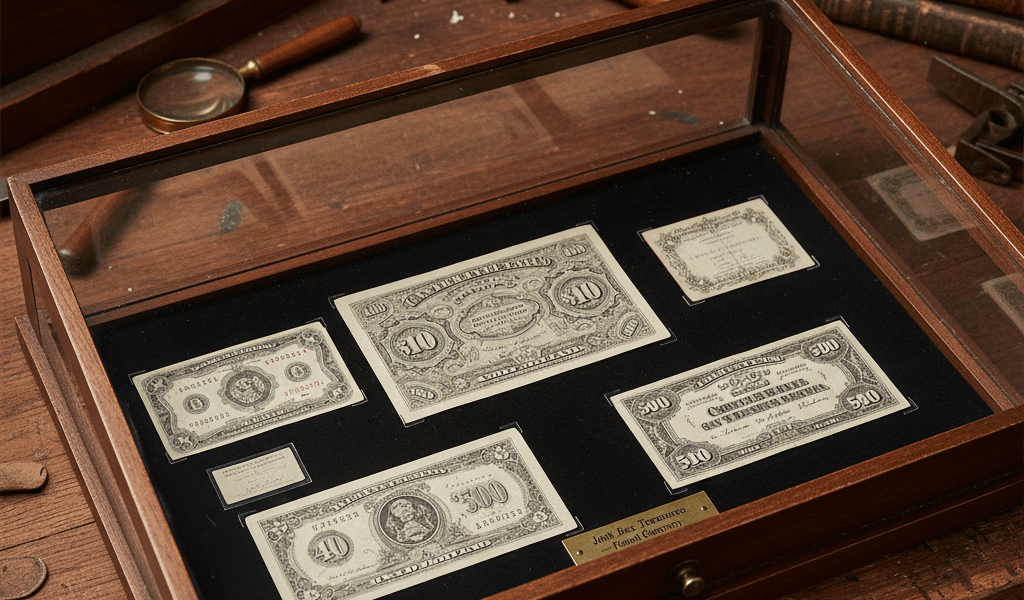
A 1934A $5 Hawaii overprint in a coin shop’s junk box for $15. Check those boxes. This seemingly ordinary transaction represents exactly why experienced collectors spend time digging through dealer junk boxes. That $15 note could easily be worth $50 to $150 or more, depending on condition. But what makes Hawaii overprint notes special, and what other treasures might be hiding in those overlooked containers?
What Are Hawaii Overprint Notes?
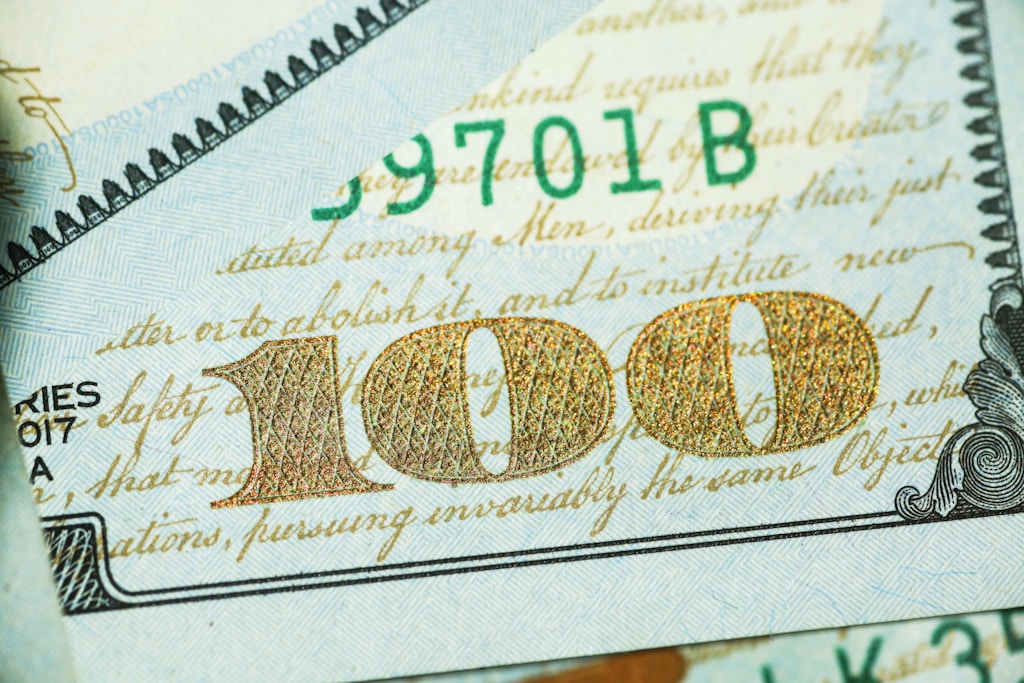
Hawaii overprint notes are regular US currency that was specially modified for use in Hawaii during World War II. These notes feature the word “HAWAII” printed prominently on both the front and back, along with brown Treasury seals and serial numbers instead of the standard blue or green.
The overprints were applied to $1, $5, $10, and $20 Federal Reserve Notes and Silver Certificates. The brown seals immediately distinguish them from regular currency of the same era, and the large “HAWAII” overprints make them impossible to miss once you know what to look for.
Why Hawaii Overprints Were Created
Following the attack on Pearl Harbor on December 7, 1941, military planners faced a troubling scenario. If Japanese forces invaded and occupied Hawaii, they would potentially capture millions of dollars in US currency. This money could then be used to purchase supplies, fund espionage, or destabilize the American economy.
The solution was elegant in its simplicity. By issuing specially marked currency exclusively in Hawaii, the government could quickly declare all Hawaii-overprinted notes worthless if the islands fell to enemy control. Regular US currency would remain valid, but any notes with the Hawaii overprint could be demonetized with a single announcement.
Beginning in June 1942, all regular currency in Hawaii was recalled and replaced with overprinted notes. Residents and military personnel were required to exchange their standard bills for the new Hawaii currency. Carrying regular US currency in Hawaii became illegal, with violations subject to severe penalties.
The program continued until October 1944, when the threat of Japanese invasion had effectively ended. At that point, restrictions were lifted and Hawaii overprint notes gradually returned to the mainland through normal commerce.
What Makes Hawaii Overprints Valuable Today
Several factors contribute to the collectibility and value of Hawaii overprint notes:
Historical Significance
These notes represent a unique moment in American history when the government took extraordinary measures to protect against enemy economic warfare. Each note is a physical artifact of World War II home front preparations.
Limited Production
While millions of Hawaii notes were printed, the total quantity was far less than regular currency production. Combined with natural attrition over eight decades, surviving examples in collectible condition are genuinely scarce.
Condition Sensitivity
Like all paper money, Hawaii overprints are worth significantly more in higher grades. A heavily circulated example might sell for $15 to $25, while an uncirculated note of the same type could bring $200 to $500 or more.
Denomination and Series Variations
The $1 notes are most common, followed by $5s. The $10 and $20 denominations are considerably scarcer and command premium prices. Within each denomination, different series dates and signature combinations create additional varieties for collectors to pursue.
Other Junk Box Treasures to Look For
Hawaii overprints aren’t the only valuable notes hiding in dealer junk boxes. Here are other items worth hunting:
North Africa Yellow Seal Notes
Similar to Hawaii overprints, these $1, $5, and $10 Silver Certificates were issued for use during the North African campaign. They feature yellow Treasury seals and can be worth $20 to $200 depending on denomination and condition.
Star Notes
Replacement notes printed to substitute for defective sheets bear a star symbol in the serial number. Older star notes, particularly from the 1950s and earlier, can be worth multiples of face value.
Fancy Serial Numbers
Notes with unusual serial numbers attract premium prices. Look for solid numbers (11111111), ladders (12345678), repeaters (12341234), and low numbers (00000001 through 00000100).
Error Notes
Printing mistakes that escaped quality control are highly collectible. Missing print, misaligned cuts, inverted overprints, and doubled printing all create valuable varieties.
Obsolete Series
Silver Certificates, United States Notes with red seals, and other discontinued types often hide in mixed lots. Many dealers price these at face value when they should bring premiums.
Tips for Searching Dealer Junk Boxes
Successful junk box hunting requires patience, knowledge, and the right approach:
Build Relationships
Regular customers often get first access to new material. Visit shops consistently, make purchases, and let dealers know what you’re looking for. They may set aside interesting items for you.
Bring Proper Tools
A small magnifying glass helps examine serial numbers and detect subtle varieties. A pocket guide to US currency values provides quick reference for unfamiliar items.
Take Your Time
Rushing through a junk box means missing treasures. Examine every note, front and back. Check serial numbers, look for star symbols, and verify seal colors.
Know Current Values
Junk box prices are often based on face value or outdated information. Understanding current market values helps you recognize bargains and avoid overpaying for common material.
Check Everything
Don’t assume dealers have already picked through their inventory. Staff turnover, time constraints, and simple oversights mean valuable notes regularly slip into bargain bins.
The Thrill of Discovery
Finding a $15 Hawaii overprint that’s actually worth $100 delivers a satisfaction that goes beyond the profit. It rewards the time spent learning about currency, the patience required to search through boxes of common notes, and the sharp eye needed to spot something special.
That 1934A $5 Hawaii overprint someone found represents exactly what makes collecting paper money exciting. History, rarity, and value can hide anywhere, waiting for the collector who knows what to look for.

Stay in the loop
Get the latest bank note buzz updates delivered to your inbox.