Today, I will share it all with you.
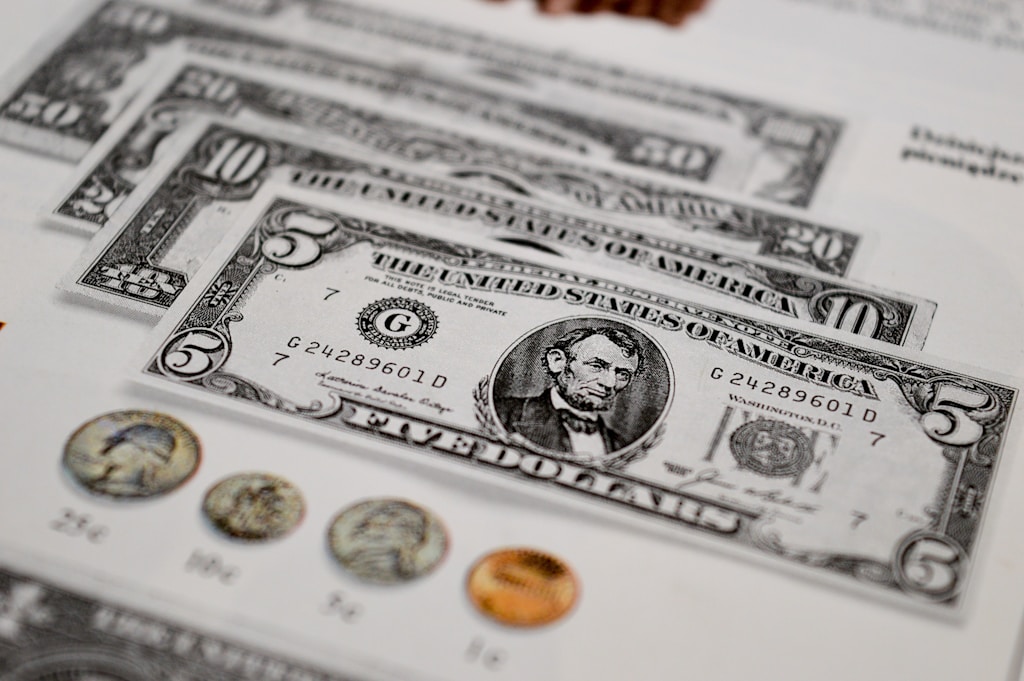
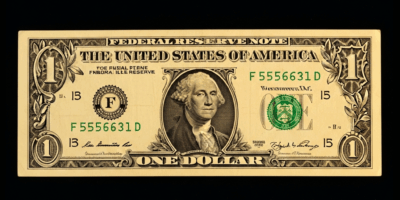
US dollar bills
When I first started collecting currency seriously, I made the same mistake every newcomer makes: I had absolutely no reliable way to determine what anything was actually worth. I overpaid for some pieces, undervalued others I already owned, and generally operated on vibes and guesswork. It was embarrassing, frankly. Discovering the PCGS Paper Money Price Guide changed everything about how I approached the hobby, and I wish I’d found it sooner.
What is PCGS?
PCGS — Professional Coin Grading Service — got its start back in 1986 as a third-party authentication and grading service for coins. Their reputation for accuracy and consistency turned them into an industry standard pretty quickly. Eventually they expanded into paper money, applying the same rigorous methodology to currency that had worked so well for coins. Smart move on their part.
What matters for collectors like us is this: PCGS grades are trusted. When you buy a PCGS-certified note, you’re getting a professional assessment that both buyers and sellers accept as authoritative. Nobody’s arguing about the condition at the negotiating table. That trust underpins everything else they do, including the price guide we’re talking about here.
The Purpose of the PCGS Paper Money Price Guide
The guide exists to answer the most fundamental question any collector has: what is this thing actually worth? It provides standardized reference values based on real market data — auction results, dealer transactions, the ongoing pulse of what collectors are actually paying.
I use it constantly. Before I buy anything significant, I check to make sure I’m not overpaying. Before I sell, I verify that my expectations line up with market reality. The guide won’t hand you the exact price for every single transaction — that’s not how markets work — but it gives you the baseline from which all negotiations begin. Walking into any deal with that knowledge is the difference between getting a fair shake and getting taken for a ride.
Structure of the Guide
The organization makes a lot of sense once you get the hang of it. Country comes first, then series and year, then denomination and grade. Each entry shows estimated market values for notes in various conditions. Here’s what you’ll typically find in an entry:
Country identification
Series and year of issue
Denomination
Grade categories with corresponding values
Historical or market notes when relevant
Once I got comfortable with the layout, looking up values became second nature. I can pull up what I need in about thirty seconds now, which is a far cry from my early days of flipping through pages wondering where everything was.
Grading System Explained
PCGS uses a standardized 70-point scale that was adapted from coin grading. Poor (P-1) represents the absolute worst condition — a note that’s barely identifiable as what it’s supposed to be. Gem New (GEM-67) indicates essentially perfect condition with no visible flaws under normal examination. I’ve held a few of those in my life and they’re something special.
Between those extremes, grades like Very Good (VG-10), Fine (F-15), and Extremely Fine (EF-45) describe notes with varying degrees of wear, folds, stains, and other issues that come from actually being used as money. Learning what each grade actually looks like on real notes takes time and practice, but it’s essential knowledge if you want to value anything accurately. I recommend handling as many graded notes as possible at shows and dealer visits to calibrate your eye.
Notable Features in the Guide
Comprehensive Coverage: Most collectible world currencies appear with multiple entries per series. I’ve been pleasantly surprised at how deep the coverage goes for some of the more obscure areas I collect.
Regular Updates: Values adjust as markets move, reflecting current pricing rather than what things sold for last year. This matters more than people realize.
Historical Context: Many entries include background information that helps explain why certain notes command the premiums they do. That context has saved me from puzzled head-scratching more than once.
The updating frequency is worth emphasizing here. Currency markets shift, sometimes dramatically and sometimes fast. A guide reflecting last year’s prices wouldn’t help you much when you’re standing at a dealer’s table today with your wallet open.
Using the PCGS Paper Money Price Guide
Effective use requires more than just looking up numbers and calling it a day. You need to honestly assess your note’s condition (and honest is the key word — we all want our notes to grade higher than they deserve), understand any varieties or errors that might affect value, and recognize that guide prices represent averages, not guarantees.
I typically cross-reference guide values with recent auction results to get the fullest picture. If a note consistently sells above or below the guide price, that tells me something important about current market dynamics that the guide might not have caught up to yet. The guide provides the starting point, but doing your own additional research fills in the details that make or break a good deal.
The Role of Certification
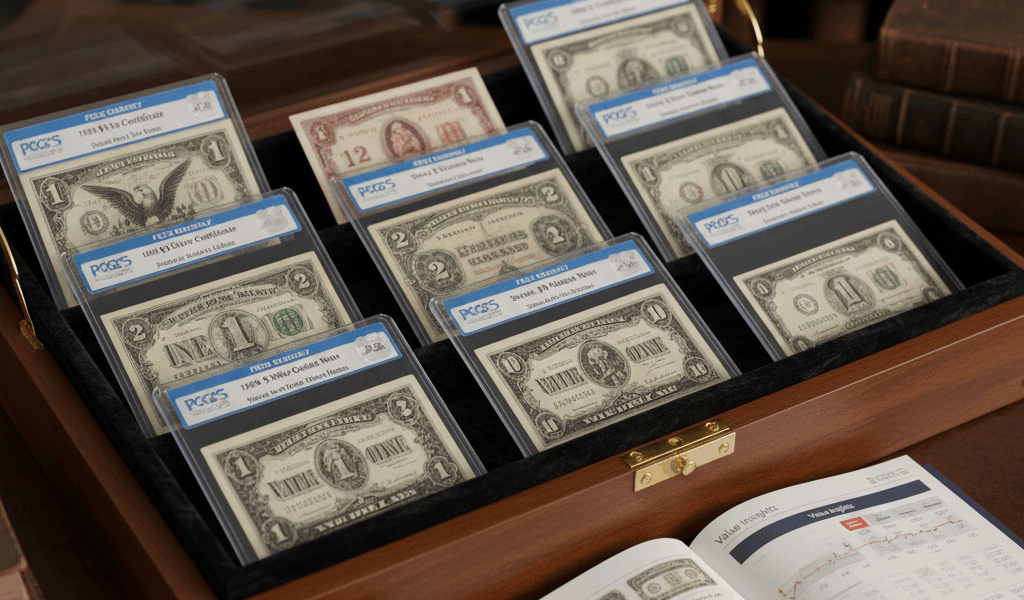
PCGS certification does way more than just verify authenticity — it typically increases the market value of your note. A note sitting in a PCGS holder with a grade printed on it carries more trust than the exact same note sitting raw in a sleeve. Buyers will pay a real premium for that certainty, and I’ve seen it happen over and over.
Certification also makes transactions smoother on both sides. Both buyer and seller can rely on the grade rather than spending twenty minutes at the table debating condition under a loupe. For valuable notes, the certification cost pays for itself many times over through easier sales and better prices. I certify anything in my collection worth over a few hundred dollars as a matter of course now.
Factors Influencing Paper Money Value
Beyond grade, several other factors drive what a note is worth. Rarity is a big one — notes issued in limited quantities or surviving in small numbers naturally command premiums because more collectors want them than can have them. Historical significance adds value too; notes from important periods in history attract serious collector interest and open wallets. Printing errors can dramatically increase value for the right piece, turning an otherwise common note into something genuinely special.
Demand fluctuates with collector trends. Series that fall out of fashion see softening prices while newly popular areas heat up fast. Understanding these dynamics helps you read between the lines when you’re looking at guide values.
Auction Sales Data
The guide incorporates auction results, and these provide the most transparent pricing information you can find anywhere. When a note sells at public auction, that’s a real market price reflecting what an actual human being was willing to pay with actual money. No theoretical values, no dealer markup math — just what someone paid. Accumulating this data over time reveals genuine trends you can act on.
I watch major auction results on my own anyway, even outside what the guide reports. They sometimes indicate emerging trends before the guides formally adjust their numbers. A series showing consistently strong results at Heritage or Stack’s Bowers might be worth accumulating before those guide values officially catch up. I’ve made some of my best buys that way.
Getting Started with Collecting
If you’re new to this whole world, the guide can help you identify affordable entry points so you don’t feel like you need a second mortgage to get started. You absolutely do not need to begin with expensive rarities — plenty of genuinely interesting notes trade at accessible prices that won’t keep you up at night. The guide helps you understand what’s available at various budget levels and where the real value hides.
As your experience grows, the guide becomes a more nuanced tool in your hands. You’ll start recognizing when market prices diverge from guide values and what that divergence might signal. You’ll develop gut feelings about which series deserve your attention and your money. The fundamentals that the guide teaches you remain valuable throughout your entire collecting journey, whether you’re buying your tenth note or your ten-thousandth.
Recommended Collecting Supplies
This section includes affiliate links. We may earn a commission at no extra cost to you.
Robert Sterling is a numismatist and currency historian with over 25 years of collecting experience. He is a life member of the American Numismatic Association and has written extensively on coin grading, authentication, and market trends. Robert specializes in U.S. coinage, world banknotes, and ancient coins.

Stay in the loop
Get the latest bank note buzz updates delivered to your inbox.