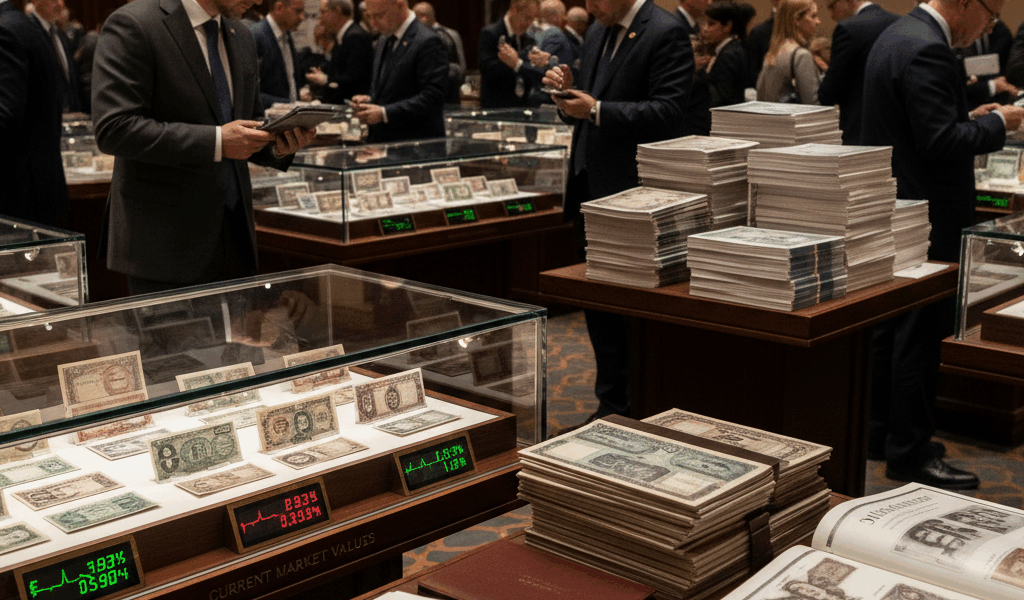
As someone who has watched beautiful notes fade in collectors’ frames—including my own—I learned everything there is to know about the real trade-offs between showing off your collection and preserving it. Today, I will share it all with you.
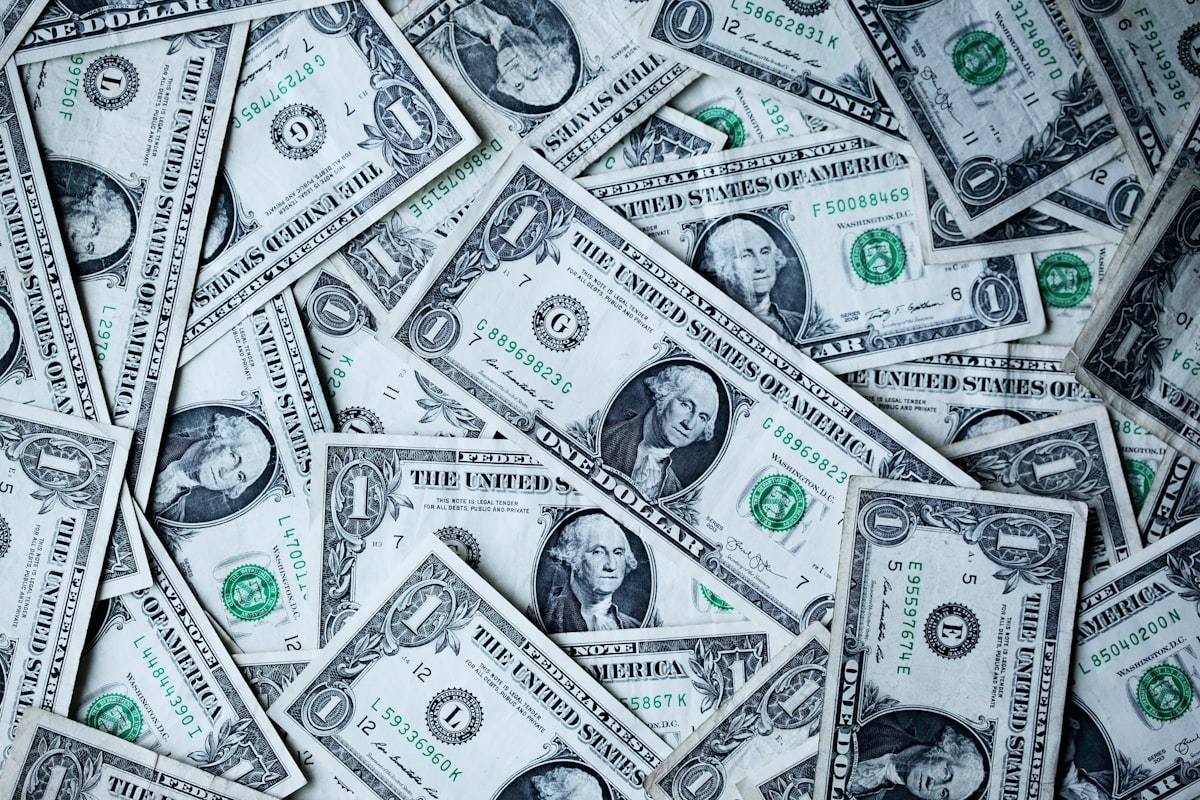
That museum-quality frame on your wall showcases your prized currency beautifully—but is it destroying value while you admire it? Understanding how display decisions affect preservation helps you make informed choices about showing off your collection.
The Display-Preservation Conflict
Light exposure fades inks and weakens paper. Temperature fluctuations from heating and cooling cycles expand and contract materials. Humidity varies with seasons. The very visibility that makes display appealing also enables ongoing damage.
Stored currency faces different challenges. Out of sight, collections may be neglected—problems develop unnoticed. The absence of regular viewing removes motivation for maintenance. Storage locations chosen for convenience (attics, basements) may provide worse conditions than open rooms.
Neither approach is inherently correct. The best choice depends on your priorities, your collection’s value, and your ability to mitigate each option’s drawbacks.
Display Done Right
UV-filtering glazing blocks the most damaging light wavelengths. Museum-quality glass or acrylic removes 99% of ultraviolet radiation while allowing visible light through. This single upgrade dramatically reduces display damage. Never frame currency behind regular glass—the UV exposure is relentless.
Location matters enormously. Direct sunlight is devastating; even UV-filtering materials can’t eliminate all damage from intense sun exposure. North-facing walls receive minimal direct sun. Interior walls away from windows reduce exposure further.
Museums do this routinely. This extends each note’s display life while maintaining visual interest.
Framing Best Practices
Acid-free materials throughout prevent internal damage. Mats, backing, and any paper in contact with currency should be archival quality. Regular mat board and cardboard release acids that migrate to paper currency. The incremental cost of acid-free materials is insignificant compared to framing investments.
Spacers prevent note-to-glass contact. Even with UV-filtering glass, pressed contact causes problems—moisture condensation, surface adhesion, pressure marks. Small spacers maintain separation between notes and glazing.
Proper sealing keeps contaminants out. Dust, insects, and pollutants shouldn’t reach your framed currency. Quality framing includes dust covers and sealed edges creating protective enclosures beyond visual presentation.
Storage Best Practices
Dark, stable environments preserve paper best. Interior closets in climate-controlled living space often provide excellent conditions. Avoid locations with temperature swings (attics), humidity problems (basements), or neglect potential (remote storage units).
Archival boxes and holders protect individual notes. Store in Mylar holders, then in acid-free boxes or albums. Layer protection—multiple barriers between currency and environmental hazards. Labels identifying contents prevent unnecessary handling.
Regular inspection catches problems early. Schedule periodic reviews—quarterly or annually—to examine stored notes for issues. Look for mold, pest damage, holder deterioration, or any changes. Finding problems early enables intervention before extensive damage occurs.
Value-Based Decisions
High-value notes warrant preservation priority. A $50,000 note shouldn’t sit in a sunny frame regardless of aesthetic appeal. The risk-reward calculation clearly favors protected storage, possibly with high-quality reproduction on display instead.
Common notes can accept more display risk. A $20 circulated star note makes a nice conversation piece. If display damage eventually becomes problematic, replacement cost is modest. Display enjoyment may justify the preservation compromise for inexpensive items.
Irreplaceable items—regardless of monetary value—deserve protective treatment. A note inherited from a grandparent or your first collecting acquisition warrants careful preservation even if market value is low.
Alternatives to Original Display
High-quality photography preserves images while protecting originals. Professional currency photography captures details suitable for printing at display sizes. Frame the photograph; store the original. You get visual impact without exposure risk.
Digital frames rotate multiple images. A single digital frame can cycle through your entire collection without exposing originals. The technology has reached quality levels suitable for detailed numismatic images.
Occasional display limits exposure. Rather than permanent wall mounting, display notes for special occasions—collector gatherings, educational presentations. Returning notes to storage afterward limits cumulative exposure while allowing periodic enjoyment.
Finding Your Balance
There’s no single right answer. Collectors who never see their notes miss part of collecting’s pleasure. Collectors who display everything eventually damage their collections. Finding personal balance requires honest assessment of your priorities.
Consider what you’re collecting for. Investment-focused collectors should prioritize preservation—every grade point matters for resale. History-focused collectors might value regular visual connection. Display-focused collectors might accept some degradation as the cost of enjoyment.
Your decisions can evolve. Display preferences change over time. Notes might move from display to storage as collections grow. The important thing is making conscious choices rather than letting circumstances decide. Understand the trade-offs, make informed decisions, and adjust as your situation develops.

Stay in the loop
Get the latest bank note buzz updates delivered to your inbox.