Exploring the World of Great Coin Collections
There’s a moment I keep returning to from my first visit to a major numismatic exhibit. I was standing before coins that had passed through the hands of Roman emperors, and it struck me that these small metal discs had survived millennia while empires rose and fell around them. That’s what makes great collections compelling – they’re not just gatherings of valuable objects but repositories of human history itself.

The Origins of Coin Collecting
Coin collecting might be the oldest collecting hobby we know of. Kings and nobles assembled cabinets of coins not for investment but for prestige and scholarly interest. During the Renaissance, intellectuals developed a serious fascination with classical antiquity, and coins provided direct physical connections to Greek and Roman civilization.
What I find interesting is how this “hobby of kings” gradually democratized. By the 19th century, ordinary people were building collections. Today, anyone can start with pocket change and develop genuine expertise over time.
Famous Public Coin Collections
If you get the chance to visit major numismatic museums, take it. The British Museum’s collection spans cultures and centuries – you can trace the development of money itself through their exhibits. I spent an entire afternoon there once and barely scratched the surface.
The American Numismatic Association museum in Colorado offers something different – deep focus on American coinage with context about how it evolved. The Hermitage in Russia houses remarkable examples of European and Russian currency, including pieces from the Romanov era.
These public collections serve educational purposes beyond entertainment. They preserve cultural heritage and make it accessible to anyone who walks through their doors.
Notable Private Coin Collections
Some of the most remarkable collections have been assembled privately. King Farouk of Egypt built a legendary collection that was auctioned after his abdication. The stories about pieces from his collection still circulate in numismatic circles.
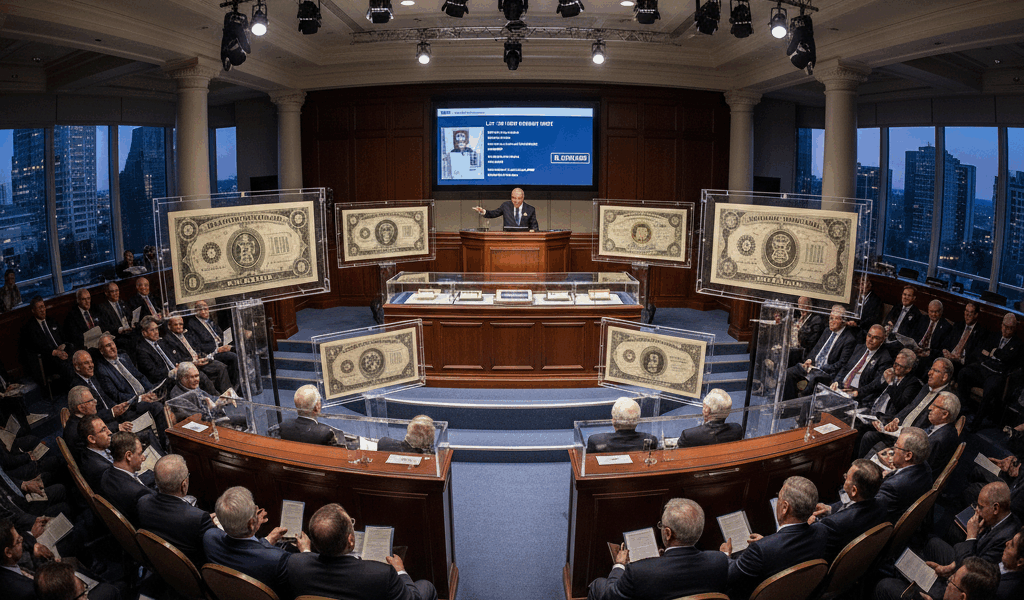
Louis E. Eliasberg achieved something extraordinary: he assembled one of every coin minted by the US Mint. That comprehensive approach – actually completing the set – remains unmatched. When portions of his collection sold at auction, the results set records that stood for years.
Private collectors often develop specialized focus that public institutions can’t match. A collector obsessed with early American copper coins, for instance, might assemble knowledge and examples that exceed museum holdings in that specific niche.
Types of Coins Sought After by Collectors
Collectors gravitate toward coins for different reasons, and their preferences shape what they seek.
- Ancient Coins: Greek and Roman coins offer direct connection to classical civilization. The imagery – gods, emperors, significant events – provides windows into ancient worldviews. I’ve held coins depicting Julius Caesar and felt genuine historical vertigo.
- Medieval Coins: These pieces from feudal kingdoms feature elaborate designs and inscriptions. Many collectors find them undervalued relative to their historical significance and aesthetic appeal.
- Rare Modern Coins: Minting errors, limited runs, and special commemorative issues attract intense interest. The market for these is active and well-documented, making authentication and pricing relatively straightforward.
Factors Influencing Coin Value
Understanding what makes coins valuable helps whether you’re buying, selling, or simply appreciating your collection. Age matters, but it’s not everything – I’ve seen ancient coins worth less than scarce 20th-century pieces.
Condition dominates value assessment. Grading systems exist specifically to evaluate wear, strike quality, and eye appeal. The difference between adjacent grades can mean significant price differences. A coin grading MS-65 versus MS-64 might sell for twice as much despite appearing nearly identical to casual observation.
Rarity and demand interact in predictable ways. A genuinely rare coin with few people interested in it won’t command high prices. But let a coin become fashionable among collectors, and prices respond quickly.
Preserving and Storing Coins
I learned the hard way that proper storage matters. Coins I stored carelessly as a teenager developed toning and spots that reduced their value. Now I use acid-free holders, control temperature and humidity, and never touch surfaces without proper precautions.
The oils on human hands cause genuine damage over time. Clean hands or gloves are essential when handling anything valuable. Even the residue from a single fingerprint can show up decades later as permanent marks.
Engaging with the Coin Collecting Community
What transformed my collecting from solitary hobby to genuine passion was connecting with other collectors. Coin shows became highlights of my calendar. Online forums provided education and camaraderie. Local club meetings introduced me to people whose knowledge far exceeded my own.
Organizations like the American Numismatic Association offer resources, workshops, and credibility. Their grading authentication services help protect against counterfeits. The community aspect can’t be overstated – this is a hobby best shared.
The Economic Impact of Numismatics
Major coin auctions move serious money. When significant collections come to market, the results make news in financial publications. The coin market has attracted investors looking for alternatives to traditional assets, particularly as hedges against inflation.
I approach collecting primarily from historical and aesthetic interest rather than investment, but the economic dimension can’t be ignored. Well-chosen coins have appreciated substantially over time, though they require knowledge and patience to realize returns.
The Role of Technology in Coin Collecting
Technology has transformed how collectors research, buy, and manage their holdings. Online databases provide instant access to historical information and market prices. Digital photography allows detailed examination before purchase. Collection management software tracks what you own and estimates values.
Online auctions and marketplaces have expanded access dramatically. I’ve purchased coins from sellers on different continents – transactions that would have been impossible a generation ago. But this convenience requires caution; counterfeits circulate online, and due diligence remains essential.
The fundamentals haven’t changed: knowledge, careful examination, and patience still define successful collecting. Technology just provides better tools for practicing those fundamentals.
Recommended Collecting Supplies
This section includes affiliate links. We may earn a commission at no extra cost to you.

Stay in the loop
Get the latest bank note buzz updates delivered to your inbox.