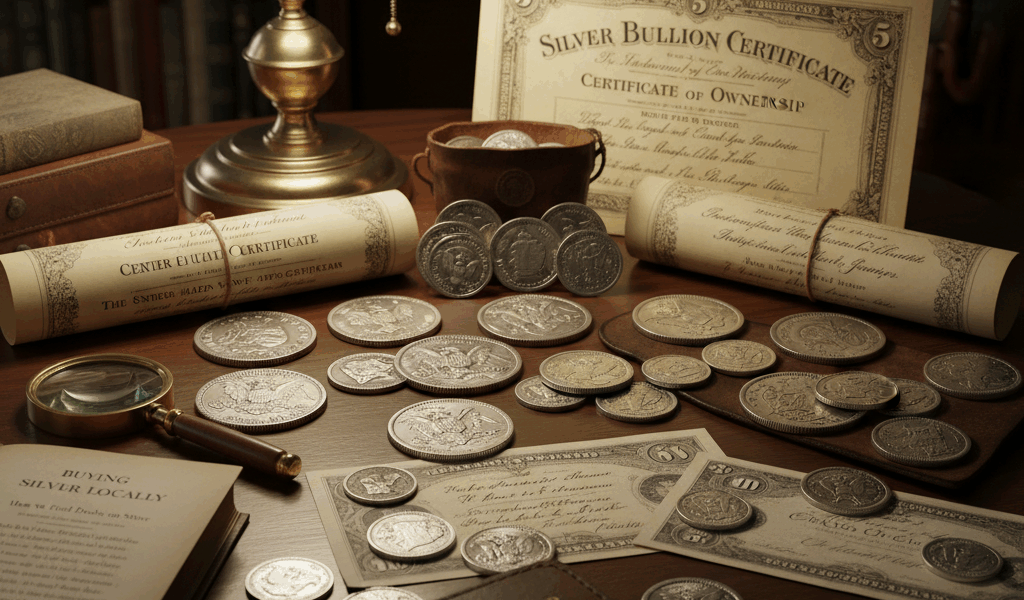
As someone who’s bought silver from every venue imaginable—coin shops, pawn shops, estate sales, that one guy at the flea market—I’ve learned where the deals actually hide. Here’s what works.
Currency details
Why Silver Draws Collectors and Investors
The appeal is straightforward: tangible value you can hold. Silver coins have actual metal content worth tracking, plus historical and collectible premiums on top. When markets get weird, people want physical assets. Silver scratches that itch without gold’s higher entry point.
American Silver Eagles, Canadian Maple Leafs, Australian Kangaroos—these sovereign mint coins carry recognition anywhere you go. Show up at a coin shop in Munich with a bag of Maple Leafs, and they know exactly what you’re holding.
The Local Coin Shop Experience
Local shops remain my favorite hunting ground. Yes, they’re paying wholesale and selling retail—that’s how businesses work. But the relationships matter. My regular dealer calls me when interesting pieces come through. He held a bag of Mercury dimes for two days because he knew I’d want first look.
Shop owners also know their clientele. Tell them what you’re looking for, what price points work, and they’ll remember. That beats refreshing online listings hoping to catch deals before flippers.
Pawn Shops: Hit or Miss
Pawn shops occasionally have silver at prices below specialty dealers. The problem is knowledge variance. Some pawn shop owners understand numismatics; most don’t. I’ve found constitutional silver priced at melt and also seen generic rounds marked up like they were key-date Morgans.
Do your homework before walking in. Know current spot price, know typical premiums, and test everything. Fakes exist, and pawn shops don’t always catch them.
Coin Shows: Competition Works in Your Favor
A coin show puts thirty dealers in one room, all watching each other’s prices. Competition drives fairness. Walk the floor first, check pricing from multiple sellers, then circle back to buy.
Shows also bring out pieces you won’t find locally. Dealers bring inventory from their regions, creating variety you’d otherwise need to travel for. I’ve found toned Morgan dollars at Ohio shows that never surface in my home state.
Estate Sales and Auctions
Estate sales can produce exceptional buys if you arrive early and know values. Families clearing houses often don’t recognize numismatic premiums—they see “old coins” and price accordingly. I’ve paid $5 for coins worth $50.
Traditional auction houses serve the opposite role for high-value pieces. Heritage, Stack’s Bowers—these houses attract serious money and authenticate properly. Consigning grandmother’s rare collection through Heritage makes more sense than negotiating with local shops.
Storing Your Purchases
Silver tarnishes. Air-tight containers, anti-tarnish strips, and climate control matter for preserving value. Coins in original government mint packaging should stay sealed. Certified slabs protect graded pieces but add cost.
Probably should have mentioned this earlier: handle coins by the edges. Fingerprints contain acids that damage surfaces over time.
Recommended Collecting Supplies
This section includes affiliate links. We may earn a commission at no extra cost to you.
Robert Sterling is a numismatist and currency historian with over 25 years of collecting experience. He is a life member of the American Numismatic Association and has written extensively on coin grading, authentication, and market trends. Robert specializes in U.S. coinage, world banknotes, and ancient coins.



Stay in the loop
Get the latest bank note buzz updates delivered to your inbox.