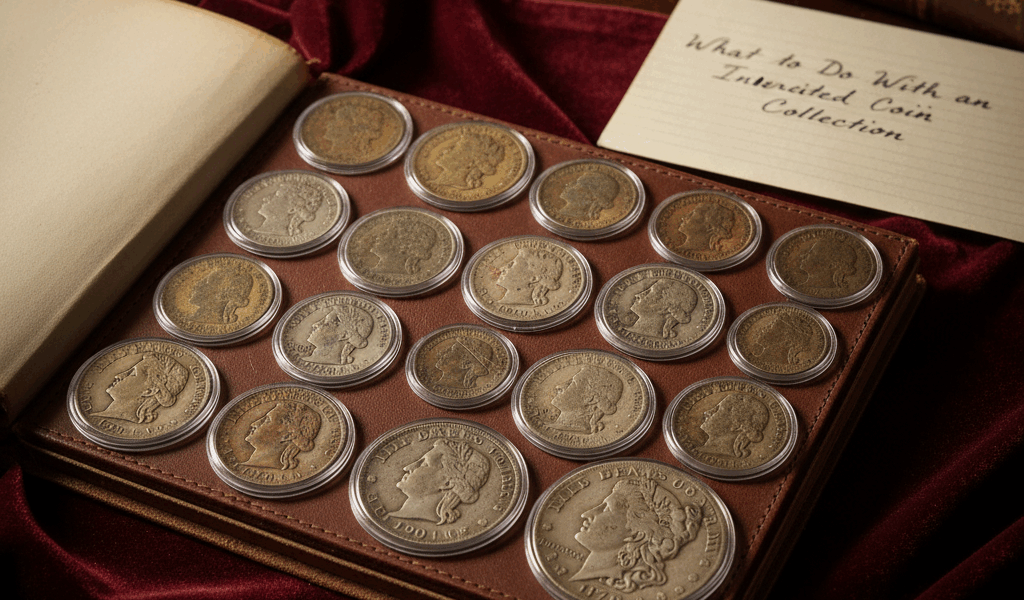
Appraising Your Coin Collection
I still remember the mix of emotions when my uncle passed and left me boxes of coins he’d accumulated over fifty years. Excitement, confusion, a bit of overwhelm – and absolutely no idea what any of it was actually worth. If you’ve found yourself in a similar situation, maybe inheriting a collection or stumbling across coins in an old dresser, here’s what I’ve learned about navigating the appraisal process.

Understanding Coin Value
The first thing I had to wrap my head around: coin value is complicated. Age matters, but not as much as you’d think. I had coins from the 1800s worth less than certain 1960s pieces. Rarity plays a bigger role – how many were minted and how many survived in good condition.
Condition turns out to be everything. Professional graders use terms like “Fine” and “Extremely Fine” that mean specific things, and the difference between grades can represent hundreds or thousands of dollars. A coin that looks pretty good to my untrained eye might be considered heavily worn by someone who does this daily.
Identifying Mint Marks
They indicate which mint facility produced the coin, and production numbers varied wildly between locations. A coin from Philadelphia might be common while the same year from San Francisco could be genuinely scarce.
I spent hours with a magnifying glass learning to spot these marks. On older coins, they’re often worn or positioned in unexpected places. Once you know what you’re looking for, it becomes almost second nature to check.
Getting Professional Appraisals
After my initial self-education, I took the collection to a reputable dealer for proper appraisal. Watching them work was educational – the loupe coming out, coins being weighed, specific features being examined. They caught things I’d completely missed and identified a few pieces I’d dismissed as ordinary that turned out to have value.
For anything that seems potentially valuable, professional grading services like PCGS or NGC provide authoritative assessments. The coins come back encapsulated with grades that buyers trust. It costs money upfront but often pays for itself in better selling prices.
Researching Individual Coins
Once I understood the basics, I started researching specific pieces myself. The Red Book (Guide Book of United States Coins) became my constant reference. Online resources fill in the gaps – auction records, collector forums, pricing databases. You can verify what similar coins have actually sold for, which beats trusting generic estimates.
This research phase became genuinely enjoyable. Each coin led down rabbit holes of history – who designed it, what was happening when it was minted, why certain years are valuable. The learning never really ends.
Selling Your Coin Collection
If you decide to sell, patience serves you well. Rushing typically means accepting below-market prices. Options include direct sales to dealers (quickest but often lowest returns), auction houses (potentially better prices for rare pieces but commission fees apply), online marketplaces (wider audience but requires more effort), and coin shows (face-to-face negotiation).
I ended up using different methods for different parts of the collection. Common coins went to a dealer in bulk. Valuable pieces went to auction. The process took months, but the total return was substantially higher than any single buyer would have offered.
Caring For Your Coin Collection
If you’re keeping the collection, proper care prevents value loss. Here’s what I learned the hard way: never clean coins. Ever. What seems like helpfully polishing actually damages surfaces and reduces value. Store coins in appropriate holders – acid-free materials only. Handle by edges, not surfaces. Control humidity and temperature in storage areas.
I made mistakes early on before I knew better. A few pieces lost value because I tried to “help” them look nicer. Learn from my errors.
Expanding Your Coin Collection
What started as an inherited obligation became a genuine interest for me. If the collection sparks something similar in you, welcome to an endlessly fascinating hobby. You can focus on particular series, time periods, countries, or themes. The community is welcoming to newcomers, and there’s always more to learn.
Start small, buy quality over quantity, and don’t rush major purchases. The coins will still be there tomorrow. Take time to learn what you’re looking at before committing significant money.
Recommended Collecting Supplies
This section includes affiliate links. We may earn a commission at no extra cost to you.


Stay in the loop
Get the latest bank note buzz updates delivered to your inbox.