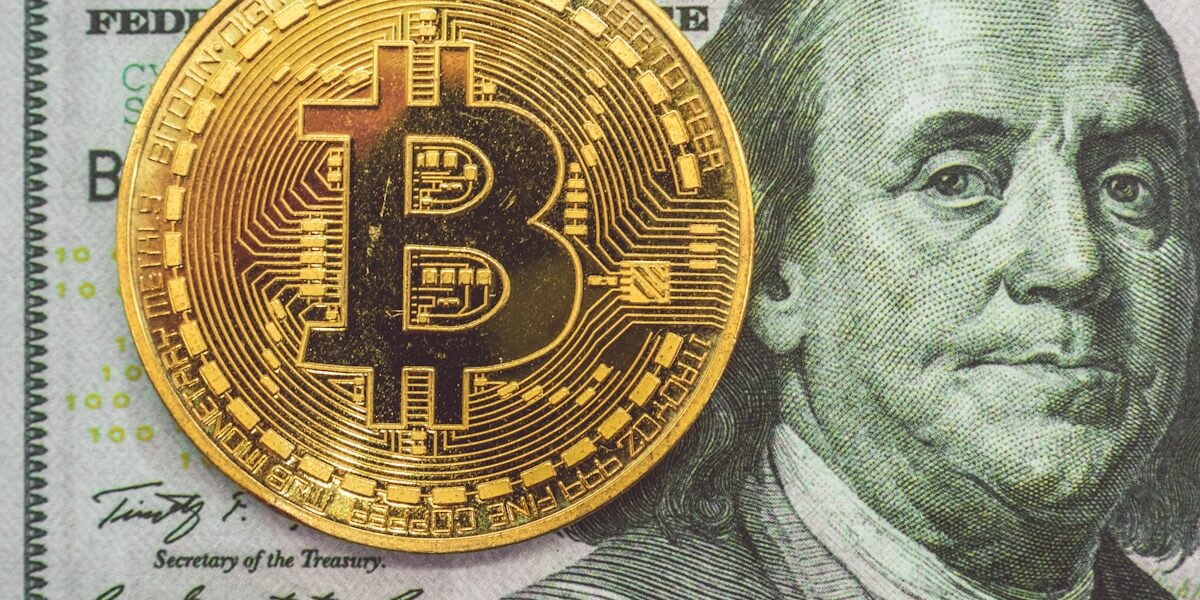
The Advantages of Using Banknotes
I find myself thinking about paper money at odd moments – probably more than the average person, if I’m honest. In an age where everyone’s tapping phones and swiping cards, there’s something almost rebellious about preferring cash. But after years of watching how different payment methods actually work in real life, I’ve come to appreciate banknotes in ways I never expected.

Universality and Acceptance
Here’s something I learned traveling through rural areas where cell service is spotty at best: cash just works. No waiting for card readers to connect, no apologetic explanations about systems being down. You hand over bills, you get your change, transaction complete. That reliability matters more than people realize until they’re stuck somewhere with a dead phone and a declined card.
I remember being at a farmers market where three vendors in a row couldn’t process digital payments. The folks with cash walked away with produce; everyone else had to find an ATM.
Anonymity and Privacy
This one gets complicated. I’m not suggesting everyone needs to hide their purchases, but there’s something unsettling about every transaction being logged, analyzed, and potentially shared. When I buy something with cash, that’s between me and the seller. No targeted ads based on my spending, no data brokers cataloging my habits.
Financial privacy isn’t just for people with something to hide. It’s for the domestic violence survivor establishing independence, the teenager buying a gift without parents knowing, the small business owner keeping competitive purchases quiet. Cash protects ordinary people in ways we don’t think about until we need that protection.
Immediate Settlement
There’s no “pending” with cash. When money changes hands, the transaction is done. No waiting for processing, no holds, no reversals. I’ve watched small vendors get burned by chargebacks on digital payments weeks after completing sales. With cash, what you have is what you have.
Emergency situations make this advantage crystal clear. Power outages, natural disasters, system failures – in all these scenarios, cash keeps working when everything digital fails. That immediacy isn’t just convenient; sometimes it’s essential.
Budgeting and Control
I started using cash envelopes for discretionary spending a few years back, and the psychological difference surprised me. There’s something about watching physical money leave your hands that makes spending feel more real. Swiping a card? That’s abstract, almost painless. Counting out twenties? That hurts a little, in a good way.
Studies back this up – people tend to spend less when using cash versus cards. The physical nature of the transaction engages different parts of the brain. For anyone struggling with overspending, switching to cash for certain categories can be genuinely transformative.
Inclusivity
Not everyone has a bank account. Not everyone can get one, or wants one, or trusts institutions enough to use one. Banknotes don’t care about credit scores, identity documentation, or immigration status. They work for the elderly person who never adapted to digital banking and the immigrant sending money home through informal networks.
When we push toward a cashless society, we’re potentially excluding millions of people from basic economic participation. That’s not progress; that’s creating new barriers while pretending to remove old ones.
Security from Digital Threats
Every week brings news of another data breach, another hacking incident, another reason to worry about digital security. Cash can’t be hacked. You can’t remotely steal physical money from someone’s wallet. In regions where cybercrime runs rampant, cash provides protection that no digital system can match.
I’m not paranoid about technology, but I am realistic. Digital payment systems are targets. Cash sitting in your possession isn’t vulnerable to the same threats.
Economic Resilience
Hurricane season taught me this lesson personally. When power went out across the region for days, digital payments became useless. Gas stations that could still pump fuel only accepted cash. Grocery stores that stayed open ran cash-only operations. The people who’d kept cash at home could function; everyone else was scrambling.
Banknotes don’t need electricity, internet, or functioning servers. That independence makes them uniquely valuable when systems fail – and systems do fail, more often than we’d like to admit.
Cost-Effectiveness for Small Transactions
Those transaction fees that card networks charge add up, especially for small businesses operating on thin margins. A two-dollar coffee with a thirty-cent processing fee? That’s a significant percentage cut from already slim profits. Cash lets small transactions happen without intermediaries taking their piece.
I’ve noticed more small vendors quietly preferring cash payments, sometimes offering small discounts for it. They’re not being difficult; they’re protecting their livelihoods.
Cultural Significance
Banknotes tell stories. The images chosen for currency reflect what a nation values – its heroes, landmarks, achievements. Holding a bill connects you to that cultural narrative in a way that numbers on a screen never will.
Collectors understand this intuitively. Currency from different eras and places becomes a physical archive of history. That tangible connection to the past has value beyond the monetary.
Tangibility and Immediate Verification
Modern banknotes incorporate remarkable security features – watermarks, color-shifting inks, embedded strips, microprinting. With a little knowledge, you can verify a bill’s authenticity instantly. Try doing that with a digital payment claim.
That ability to physically examine and confirm what you’re dealing with provides reassurance that purely digital transactions lack. It’s old-school, maybe, but it works.
Digital payments aren’t going away, and they shouldn’t. But the rush to eliminate cash ignores real advantages that banknotes provide – advantages that matter most to people already vulnerable in our economic system. Understanding those advantages helps us make better choices about when to use which payment method.

Stay in the loop
Get the latest bank note buzz updates delivered to your inbox.