Today, I will share it all with you.
Currency collecting
What Coin Sniffing Actually Means
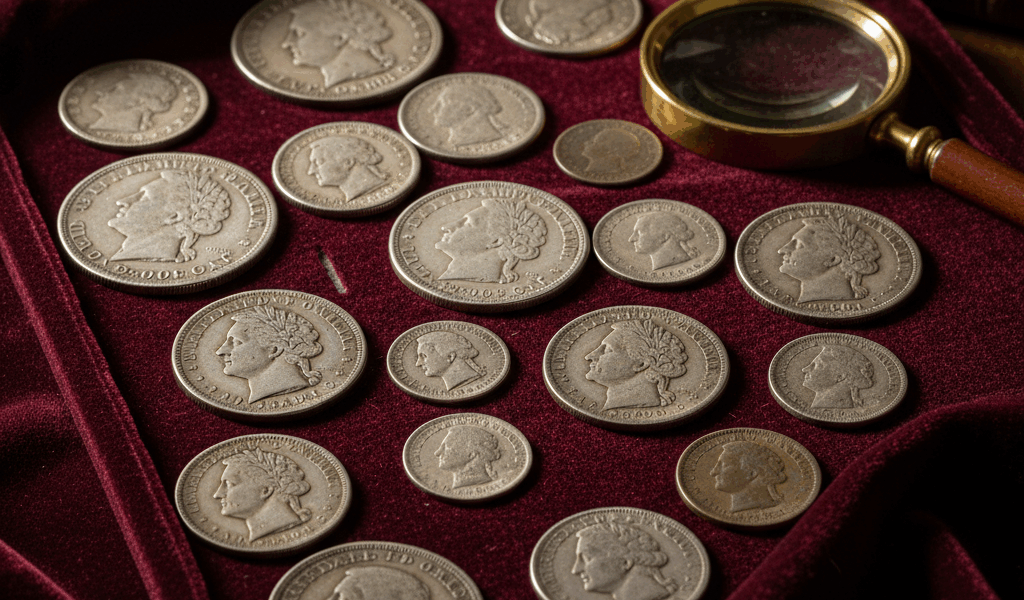
Coin sniffing is detector-speak for hunting specifically for coins rather than other metal objects. You adjust your machine’s settings, research promising locations, and learn to read signals that indicate pocket-spill coins rather than bottle caps or aluminum trash. It brings together history buffs, outdoor enthusiasts, and people who just enjoy the treasure-hunt aspect.
The Equipment You Need
The metal detector is everything. Modern machines use electromagnetic fields to sense metal underground, and better detectors can distinguish between coin-shaped objects and junk. You don’t need the most expensive unit to start, but cheap detectors create frustration.
Beyond the detector, you need digging tools (a quality digger saves time and effort), protective gloves, and a finds pouch. Some people bring pinpointers—handheld devices that help locate the exact target once you’ve dug a hole. They’re not essential but definitely helpful.
Before You Hunt
Know the Laws
That’s what makes coin hunting tricky for us newcomers—regulations vary dramatically by location. Some places require landowner permission. Others ban detecting entirely on public land. Historical sites often have strict protections. Check local rules before detecting anywhere, or you risk fines and gear confiscation.
Research Pays Off
Random hunting rarely produces interesting finds. Old maps, local history records, and conversations with longtime residents help identify promising spots. Former homesteads, abandoned picnic grounds, old fairgrounds, and trade routes produced coin-drop opportunities over decades or centuries.
Reading the Ground
Experience teaches you to read terrain. A slight rise might indicate an old building foundation. Concentrations of pottery or glass shards suggest historic activity. Tree lines sometimes mark former property boundaries where people walked and dropped things.
When your detector signals a hit, dig carefully around the target. Objects aren’t always directly below the coil—they might be angled or shifted by freeze-thaw cycles. Patience prevents damage to potentially valuable finds.
Handling Your Finds
Don’t clean coins aggressively in the field. Incorrect cleaning destroys collector value faster than almost anything else. For potentially valuable or ancient coins, leave cleaning to professionals. For modern coins, a gentle rinse with water removes dirt without damaging surfaces.
Document your finds with photos and GPS coordinates. This information matters for your own records and potentially for historical research if you find something significant.
The Community
Coin hunters tend to share knowledge freely. Online forums, local clubs, and social media groups provide research help, equipment recommendations, and hunt companionship. Beginners benefit enormously from experienced hunters willing to share their techniques and favorite locations.
Group hunts offer learning opportunities and social connection. There’s something satisfying about being around others who understand why you’re excited about a worn wheat penny from 1920.
Whether you find valuable rarities or common modern coins, the combination of outdoor activity, historical connection, and treasure-hunt excitement makes coin sniffing a rewarding hobby.
Recommended Collecting Supplies
This section includes affiliate links. We may earn a commission at no extra cost to you.
Robert Sterling is a numismatist and currency historian with over 25 years of collecting experience. He is a life member of the American Numismatic Association and has written extensively on coin grading, authentication, and market trends. Robert specializes in U.S. coinage, world banknotes, and ancient coins.



Stay in the loop
Get the latest bank note buzz updates delivered to your inbox.