1982 Today, I will share it all with you.
Currency details
The 1982 Transition Year
The early 1980s brought rising copper prices that made penny production unprofitable. The Mint’s solution: switch to copper-plated zinc, cutting material costs dramatically. This transition happened mid-1982, creating a year with both compositions in circulation.
Eight Varieties Emerged
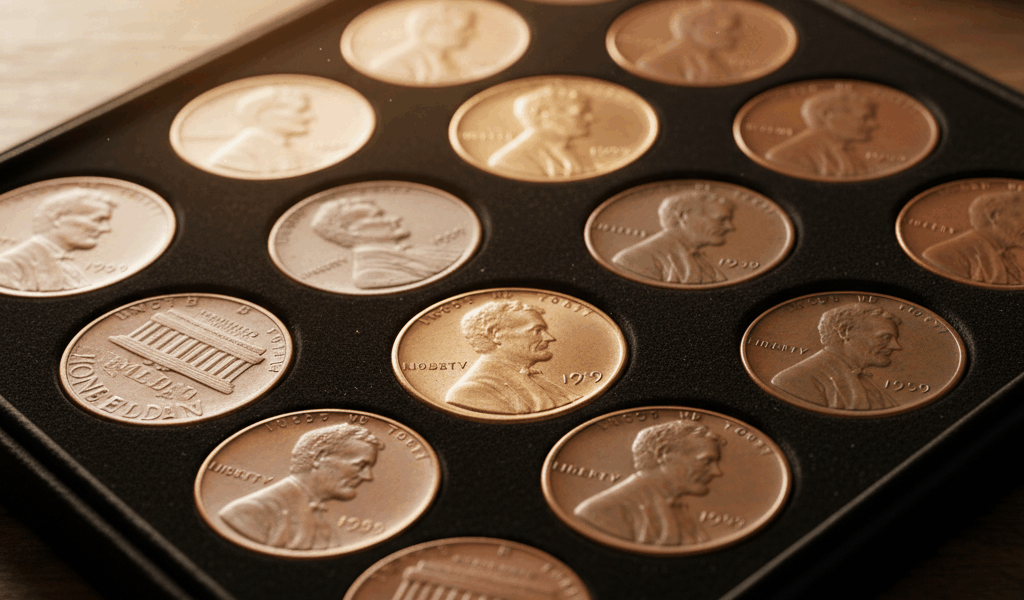
The 1982 penny exists in eight varieties based on three factors: composition (copper or zinc), date size (large or small), and mintmark (D for Denver, none for Philadelphia). Both mints used both date sizes and both compositions—creating the variety matrix collectors obsess over.
The Legendary Discovery
In 2017, a collector discovered something that shouldn’t exist: a 1982 D Small Date penny made of copper instead of zinc. According to mint records, Denver only used Large Date dies when striking copper planchets. Yet there it was—authenticated and sold for $18,800.
Identification Criteria
Three factors must align for this rare coin:
Small Date: The “2” in 1982 should align with the tops of the “1” and “9”—not sit lower as on Large Date varieties.
D Mintmark: Must have the Denver “D” below the date.
Copper Weight: Must weigh 3.1 grams, not the 2.5 grams of zinc pennies.
Testing Methods
Two non-destructive approaches work well:
Scale Test: The definitive method. Copper weighs 3.1 grams; zinc weighs 2.5 grams. A digital scale accurate to 0.1 grams clearly distinguishes them.
Sound Test: Drop the penny on a hard surface. Copper produces a sustained ring; zinc makes a muted thud. This works for quick sorting but isn’t definitive.
Realistic Values
A zinc 1982 D Small Date penny—the common version—might bring $1-5 to the right collector. The copper version, if another exists, could fetch $10,000 or more. But don’t clean any potential find—cleaning destroys collector value. Get professional authentication for anything you think might be significant.
The Search Continues
Only one 1982 D Small Date Copper penny is currently confirmed. If the mint made one by mistake, there might be more. People have searched millions of coins looking. The odds are astronomical, but someone will eventually find the second one—and it could be sitting in a jar somewhere right now.
Recommended Collecting Supplies
This section includes affiliate links. We may earn a commission at no extra cost to you.
Robert Sterling is a numismatist and currency historian with over 25 years of collecting experience. He is a life member of the American Numismatic Association and has written extensively on coin grading, authentication, and market trends. Robert specializes in U.S. coinage, world banknotes, and ancient coins.


Stay in the loop
Get the latest bank note buzz updates delivered to your inbox.