As someone who has bought and sold at every type of venue you can think of — from local shops to major auction houses to online marketplaces — I learned everything there is to know about getting the best value when it’s time to sell. Today, I will share it all with you.
Currency details
Selling coins involves way more strategy than most people realize when they first decide to cash out. I’ve watched friends take collections worth thousands of dollars to pawn shops and walk out with a fraction of the actual value. On the flip side, I’ve also seen collectors obsess so long over finding the perfect selling venue that they never actually pull the trigger and sell anything at all. Both of those are mistakes. Here’s how to think about it so you land somewhere productive in the middle.
Local Coin Shops: Quick but Wholesale
Walk in with your coins, show them to the dealer, get an offer, and walk out with cash in your pocket. The simplicity is the whole appeal here. Local shops provide immediate liquidity without having to wait weeks for an auction to close or deal with shipping hassles and buyer disputes.
The trade-off is obvious though: dealers have to pay wholesale because they need margin to resell and keep their lights on. Expect somewhere between 60-80% of retail value depending on what you’re selling and what kind of relationship you’ve built with the shop owner. For common date material that you’re just trying to liquidate and move on from, that math honestly makes sense. Your time has value too. But for key dates and genuinely rare pieces, you’re leaving real money on the table going this route, and I’d push you to explore the other options below.
Coin Shows: Competition Helps
A show floor puts multiple buyers in one room, and that competition works in your favor as the seller. Walk around, get offers from several different dealers, and use those offers as leverage. Saying “the guy three tables over offered me X” actually moves negotiations — dealers know the competition is right there and they’ll sharpen their pencils.
Shows also attract specialized dealers, which matters a lot for certain material. Someone who focuses specifically on early type coins will pay more for your Bust dollars than a generalist who handles everything. Finding the right buyer for your specific coins can make a real difference in what you walk away with. I’ve gotten 15-20% more for pieces at shows just by finding the dealer who actually wanted what I had.
Online Marketplaces: Reach vs. Hassle
eBay puts your coins in front of millions of potential buyers. The global audience, the auction dynamics that can drive prices up when two determined bidders lock horns, and the lack of geographic limitations are all genuinely powerful advantages.
The hassle is very real though, and I want to be honest about it. Photography matters enormously — bad photos absolutely kill sales and invite lowball offers. Descriptions need to be accurate without leaving any wiggle room for disputes later. Shipping requires insurance and tracking for your own protection. Fees eat 10-13% of the final sale price. And eBay’s buyer protection policies tend to favor buyers when disputes come up, which can leave you holding the bag.
For truly rare pieces worth the effort and the headache, online marketplaces can absolutely exceed what local options would offer. For common material though, the time investment rarely pays off compared to just taking it to a shop or show.
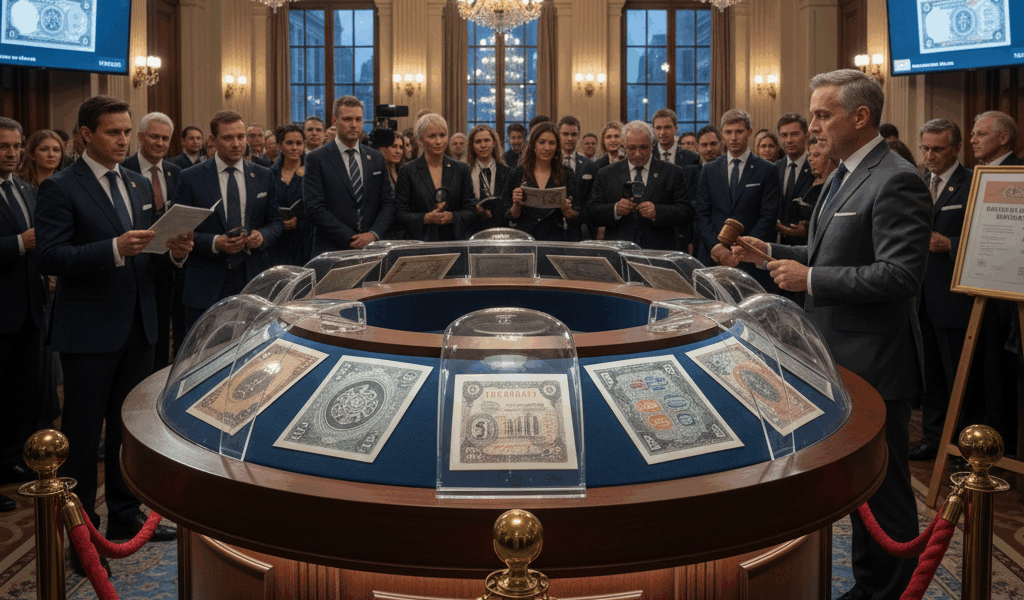
Major Auction Houses: High End Only
Heritage, Stack’s Bowers, Great Collections — these houses specialize in numismatics and attract the most serious collectors with the deepest pockets. Their marketing reaches the kind of buyers who’ll pay premiums for the right pieces because they’ve been looking for years.
Auction houses make sense for rare coins, high-grade material, and complete collections with provenance and pedigree that add to the appeal. Consignment fees run between 5-15% depending on the volume and value you’re bringing. The cataloging, professional photography, and authentication they provide justifies that cost on material that genuinely merits the treatment.
Don’t bother consigning common circulated coins to a major auction house. They’ll accept everything, sure, but your generic Washington quarters aren’t going to get any marketing attention, and the fees will eat whatever modest upside existed. Save the auction houses for the pieces that deserve the stage.
Private Sales: Best Returns, Most Work
Selling directly to other collectors through forums, club meetings, or your personal network eliminates the middleman margins entirely. No auction house fees, no eBay percentage, no dealer markup working against you.
The work involved is the catch. You have to find those buyers yourself, build enough trust for someone to send you a significant amount of money (references, escrow services, and secure payment methods all play a role), and handle all the logistics on your own. For significant collections where the dollar amounts justify the effort, this approach pays real dividends. For small individual transactions, the overhead and hassle exceed whatever benefit you’d gain.
What to Do Before Selling Anything
Know what you have before you walk into any selling situation. Full stop. Professional grading from PCGS or NGC establishes authenticity and condition objectively, taking your opinion and the buyer’s opinion out of the equation entirely. Those slabs command confidence premiums that more than offset the submission costs on anything reasonably valuable.
Research recent sales before you accept any offer. Heritage Auctions maintains an incredible archive of past auction results you can search for free. eBay’s sold listings show you actual real-world transaction prices. The Greysheet and PCGS price guides provide solid market benchmarks. Walk into any selling venue already knowing what your coins are worth — that knowledge alone is the single biggest factor in getting fair value. Nobody can lowball you when you know the numbers.
Recommended Collecting Supplies
This section includes affiliate links. We may earn a commission at no extra cost to you.
Robert Sterling is a numismatist and currency historian with over 25 years of collecting experience. He is a life member of the American Numismatic Association and has written extensively on coin grading, authentication, and market trends. Robert specializes in U.S. coinage, world banknotes, and ancient coins.

Stay in the loop
Get the latest bank note buzz updates delivered to your inbox.