Rare Banknotes That Could Be Worth a Fortune
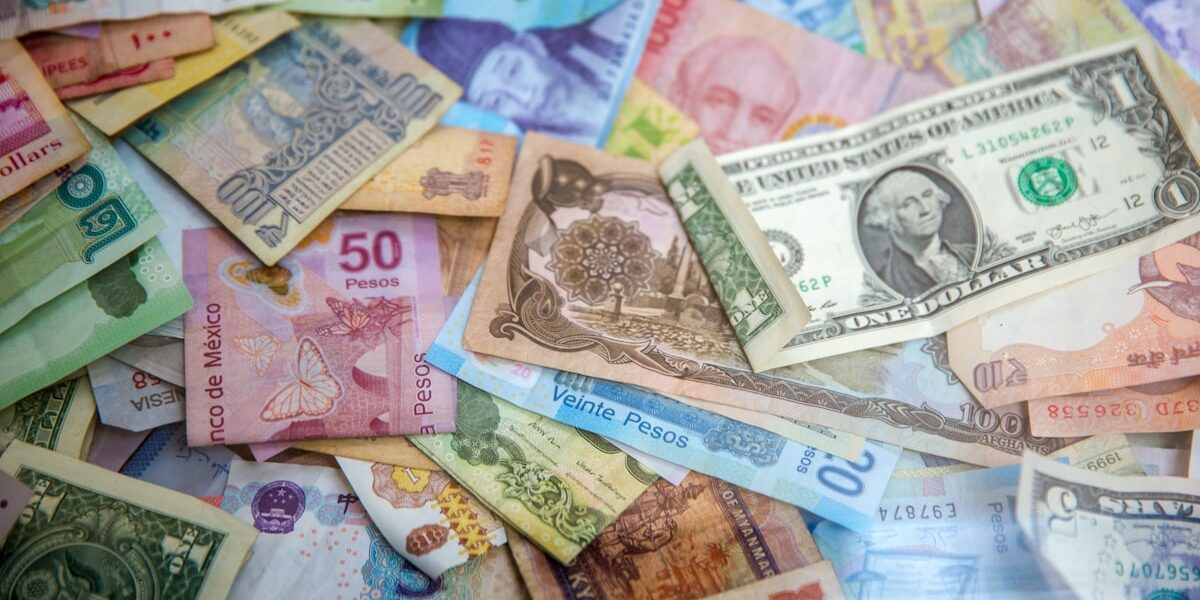
I’ve been fascinated by rare currency ever since finding an unusual bill in my grandfather’s wallet years ago. That particular note wasn’t valuable, but it sent me down a rabbit hole of learning about what makes certain pieces of paper worth serious money. Some of these banknotes have sold for more than houses – all because of quirks of history, limited printing, or unusual circumstances.

The 1933 Saint-Gaudens Double Eagle
I know, I know – this is technically a coin, not a banknote. But I can’t discuss rare currency without mentioning it. The U.S. government recalled these $20 gold pieces before they ever circulated. A few escaped, becoming the subject of decades of legal battles. When one finally sold legally at auction, it fetched over $7 million.
Zimbabwe’s 100 Trillion Dollar Note
This one fascinates me for different reasons. In 2008-2009, Zimbabwe experienced hyperinflation so severe they printed 100,000,000,000,000 dollar notes. One hundred trillion dollars – and it wasn’t enough to buy groceries. These notes are worthless as currency but collectible as historical artifacts. They’re tangible evidence of what happens when monetary policy goes catastrophically wrong.
You can actually find these relatively cheaply – they’re not rare in the sense of limited printing. Their appeal lies in what they represent: economic collapse made physical.
Bahamas Government $3 Bill
Most countries stick to conventional denominations, so the Bahamian three-dollar bill stands out. The unusual value alone attracts collector interest. Add colorful Caribbean design elements and you have something that appeals aesthetically as well as numismatically.
These aren’t extraordinarily valuable in dollar terms, but they’re unusual enough to be conversation pieces in any collection.
Canada’s $1000 Bill
Canada stopped printing thousand-dollar bills in 1935. Only about three dozen are believed to survive. If you somehow have one – perhaps from an estate or safety deposit box opened after decades – you’re holding something worth six figures.
High-denomination notes always have interesting histories. They served specific purposes: large transactions, bank-to-bank transfers, or simply storing wealth compactly. When governments discontinue them, survivors become increasingly valuable over time.
Kuwaiti Half Dinar Notes
When Iraq invaded Kuwait in 1990, Kuwaiti currency became targets for looting and destruction. The 1/2 dinar notes in particular became scarce – many were destroyed or stolen during the occupation. Surviving examples, especially in good condition, are genuinely rare.
This is currency tied to a specific historical moment, which adds to its appeal for collectors interested in political history as much as numismatics.
What Makes Banknotes Valuable?
Several factors determine banknote value. Rarity matters most – limited printing or historical destruction creates scarcity. Condition affects pricing dramatically; a crisp uncirculated note might sell for multiples of a worn example.
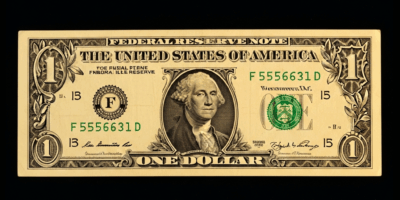
Historical significance adds premium. Notes from important eras or tied to specific events attract collector interest beyond their physical characteristics. Serial number patterns – low numbers, solid numbers, radar numbers – create collecting varieties even among otherwise common notes.
Building a Collection
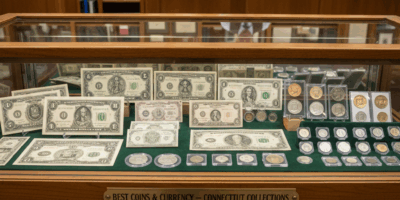
You don’t need to chase six-figure pieces to enjoy currency collecting. Unusual denominations, notes from countries no longer in existence, and attractive designs provide collecting opportunities at every budget level. Start with what interests you and build knowledge alongside your collection.
Authentication matters for valuable pieces. Counterfeits exist, especially of desirable notes. Reputable dealers and third-party grading services provide protection for significant purchases.
Who knows – maybe there’s something valuable hiding in a drawer somewhere in your family. Part of the fun is looking.


Stay in the loop
Get the latest bank note buzz updates delivered to your inbox.