As someone who has been buying, selling, and collecting gold coins for years, I learned everything there is to know about what to actually do with your gold once you have it. Today, I will share it all with you.
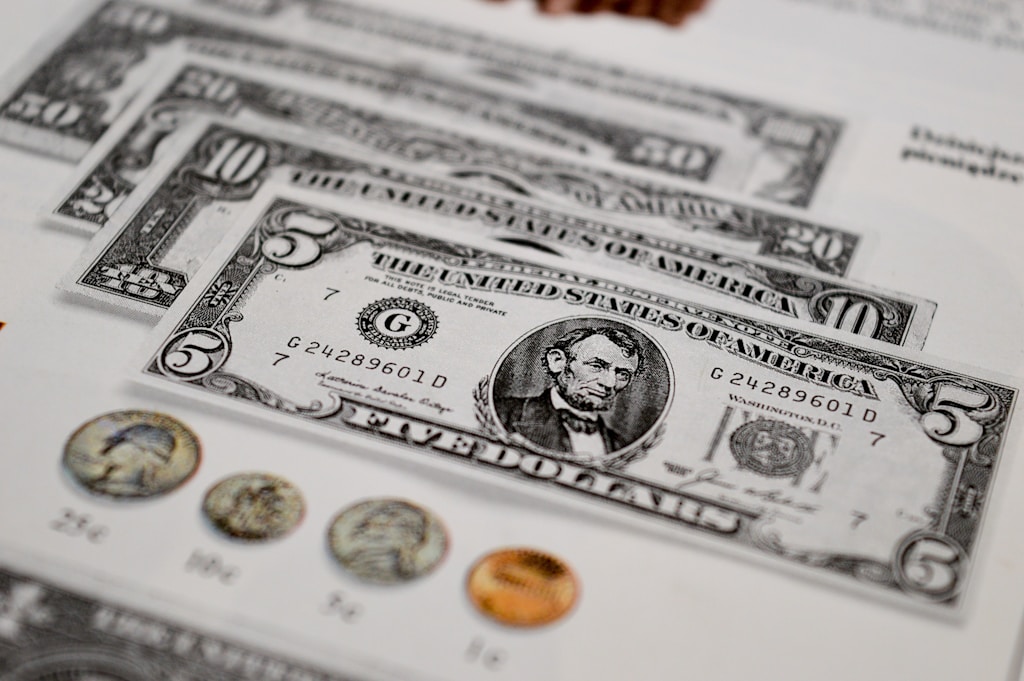
US dollar bills
I get this question way more often than you’d expect. Someone has accumulated gold over the years — maybe they inherited a bunch from a relative, maybe they’ve been quietly buying for a decade — and eventually they look at it all and think: now what? You can’t exactly hand a gold bar to the cashier at the grocery store. So let me walk you through the options I’ve personally discovered and used over the years.
Investing in Gold
Most people who buy gold aren’t planning to “spend” it at all — they’re holding it as a long-term investment or a hedge against when everything else goes sideways. Physical gold in the form of coins or bars serves this purpose beautifully. It just sits there, maintaining value (historically speaking) while paper currencies do their roller coaster thing.
If storing physical metal gives you anxiety — and I totally get it, because I lost sleep over my first few gold coins sitting in my nightstand drawer — gold ETFs and mining stocks offer exposure without needing a vault. I’ve used both approaches depending on my situation at the time. Physical gold feels more real to me, there’s something about holding it that a brokerage statement can’t match, but it does require actual security. Paper gold is more convenient but you’re trusting other people to hold up their end of the deal.
Jewelry and Art
Converting gold into something wearable has been popular across basically every culture for thousands of years, and honestly the reasons haven’t changed much. Jewelry serves as portable wealth — something you can literally carry on your person across borders and pass down through generations. The craftsmanship adds value beyond just the metal content, though how much extra you’re paying varies wildly depending on the piece and the maker.
Gold-accented art objects work the same way in principle. A well-crafted gold piece becomes both an investment and something beautiful to look at every day. Just go in with your eyes open about resale — buyers will typically pay you for the metal value much more readily than for the artisanal value. I learned this the hard way when I tried to sell a gorgeous gold-leaf piece and the dealer basically just wanted to weigh it.
Collectible Gold Coins
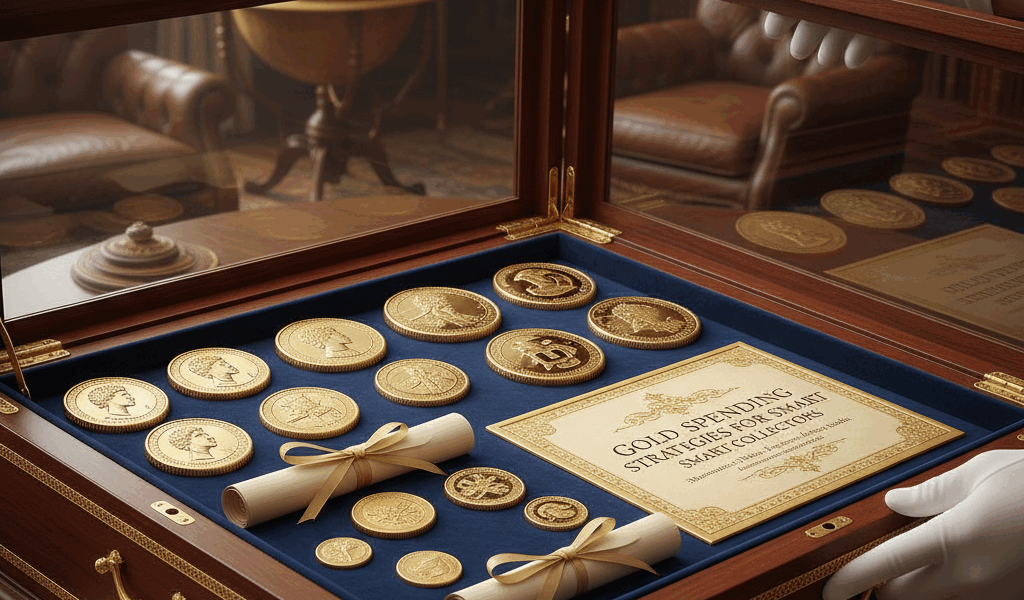
This is where my heart really lies. Numismatic gold coins combine precious metal content with historical significance in a way that nothing else quite matches. A Saint-Gaudens Double Eagle isn’t just gold — it’s a piece of American history, designed by one of the era’s greatest sculptors. Holding one of those in your hand connects you to something bigger than a spot price on a screen.
Collectible coins can appreciate well beyond their metal value when rarity and collector demand align just right. They can also decline if collector interest shifts to other series or periods. It’s a more layered investment than pure bullion, no question, but for those of us who take the time to understand the market and genuinely love the coins themselves, it can be far more rewarding in every sense.
Gold Exchange Traded Funds
If what you really want is to “spend” your gold in the sense of converting it into other investments, gold ETFs make this about as straightforward as it gets. You can sell your shares as easily as any stock, moving between gold exposure and cash or other assets whenever circumstances call for it.
The convenience does come with tradeoffs that are worth thinking about. You own shares that represent gold, not the gold itself. For most investors this distinction is purely theoretical and doesn’t matter day to day. But it starts to matter a lot during certain scenarios — particularly if you’re the type who worries about systemic financial disruption. In those moments, a gold coin in your safe beats a line item on a screen.
Gold Mining Stocks
Investing in mining companies gives you leveraged exposure to gold prices, which sounds great until you realize leverage cuts both directions. When gold rises, miners often rise faster and you feel like a genius. When gold falls, miners typically fall harder and you question every decision you’ve ever made. This volatility is catnip for some investors and absolutely terrifying for others.
Individual company factors — management quality, how good their reserves are, operational efficiency — all affect stock performance separately from gold prices. So you’re not getting pure gold exposure here. You’re getting gold exposure plus all the uncertainty and opportunity that comes with betting on a specific business. I dabble in mining stocks but keep my positions modest for exactly this reason.
Converting to Cash
Sometimes you just flat-out need to turn your gold into dollars you can use. It happens. Dealers will buy physical gold at prices tied to the spot rate, typically paying somewhere between 1-5% below market depending on what form your gold is in and what kind of relationship you have with the dealer. Coins from recognized mints like the US Mint or Royal Canadian Mint command better prices than generic bars. Jewelry? That usually sells at scrap value unless it has significant designer cachet or real antique premium.
I’ve sold gold during financial emergencies and during planned liquidations, and the process is pretty straightforward either way — find a reputable buyer, negotiate honestly, complete the transaction. Major dealers, your local coin shop, and established online services all work. They just vary in convenience and what they’ll pay you.
Barter and Direct Exchange
In certain communities, gold still works as direct payment. Some precious metals dealers will accept gold in trade for other items in their inventory. Certain businesses — typically those catering to preparedness-minded or libertarian-leaning customers — accept gold directly for goods and services.
This isn’t mainstream commerce by any stretch, but it exists and it works. If you’re interested in using gold as actual currency rather than an investment you eventually liquidate, these communities are worth getting to know.
Unusual Applications
Gold has practical uses beyond finance and jewelry that most people never think about. Dental work has traditionally used gold for crowns and fillings — its biocompatibility and durability make it ideal for oral applications, which is why your grandparents might literally have gold in their mouths. Electronics manufacturing requires gold for certain high-reliability connections. Medical devices incorporate it for similar reasons.
These aren’t typical ways to “spend” gold unless you happen to work in one of those industries, but they represent real, ongoing demand that supports gold’s fundamental value. Every time you use your smartphone, there’s a tiny bit of gold in there doing its job.
The Bottom Line
Gold was never really meant to be spent on daily transactions — that’s what paper currency and digital payments are for. Gold is meant to store value across time and through uncertainty. When you do need to convert it, plenty of options exist, from simple dealer sales to investment vehicles to direct barter arrangements. The right choice depends entirely on your specific circumstances, how quickly you need the money, and what you’re ultimately trying to accomplish. Take your time figuring that out, because once the gold’s gone, it’s gone.
Recommended Collecting Supplies
This section includes affiliate links. We may earn a commission at no extra cost to you.
Robert Sterling is a numismatist and currency historian with over 25 years of collecting experience. He is a life member of the American Numismatic Association and has written extensively on coin grading, authentication, and market trends. Robert specializes in U.S. coinage, world banknotes, and ancient coins.



Stay in the loop
Get the latest bank note buzz updates delivered to your inbox.